
How to Choose the Right Adhesive for Your Application: A Step-by-Step Guide
Selecting an adhesive is more than simply sticking materials together—it’s about ensuring long-term strength, durability, and performance. With countless options, choosing the right adhesive for your application can feel overwhelming.
This guide simplifies the process, providing a proven, step-by-step approach to select the perfect adhesive for your project. As a result, you will avoid costly mistakes and produce bonds that can withstand any condition.
Why Adhesive Selection Matters
Bond failures can lead to expensive repairs, product recalls, and damaged reputations. The right adhesive prevents these problems before they begin.
Effective adhesive selection creates strong material connections while resisting environmental challenges and distributing mechanical stress. This attention to detail streamlines manufacturing processes and improves product longevity.
A methodical approach to adhesive selection builds the foundation for product success from the molecular level upward.
Step 1: Define Your Application Requirements
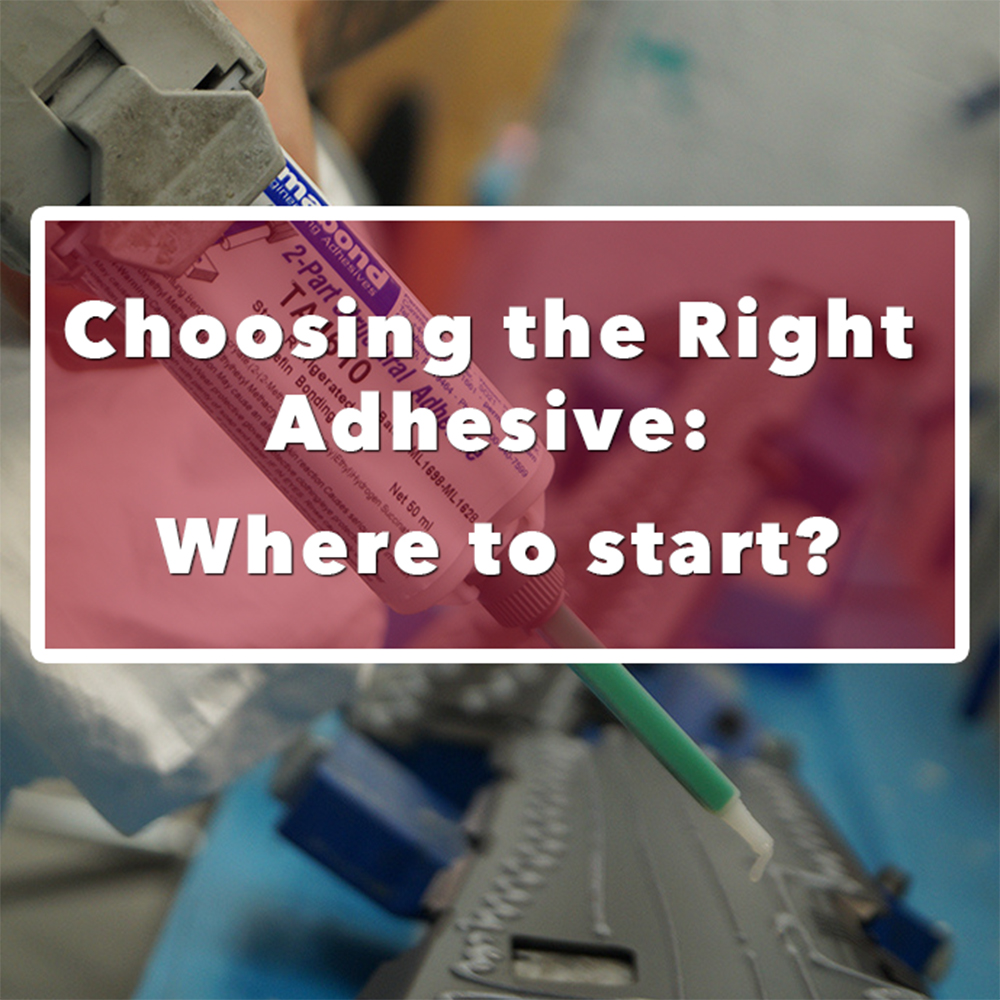
Start your selection process by developing a clear picture of what your bond must accomplish.
Material Compatibility
Due to their distinct physical and chemical properties, each material presents unique bonding challenges. Metals, plastics, composites, stone, rubber, and wood interact with adhesives differently because of their surface characteristics and molecular structure.
For example, wood absorbs adhesive through its naturally porous surface, while some plastics have extremely low surface energy that actively repels most adhesives. Metals may have oxidation layers or machining oils that interfere with bonding. Understanding these specific material properties allows you to narrow your selection to adhesives formulated for your particular substrates, ensuring optimal molecular attachment and long-term durability.
Joint Design Considerations
The physical structure of your bond area significantly impacts which adhesive properties will matter most for your application. The gap size between components, the dimensions of the bond area, and the configuration of the joint (lap, butt, corner) each create specific demands on adhesive performance.
An effectively matched adhesive will properly fill any gaps in the joint, distribute stress evenly across the entire bond area, and compensate for any limitations in the joint design itself. Creating this balance between your adhesive properties and joint design results in bonds that resist failure even under demanding mechanical loads, temperature fluctuations, and environmental stresses.
Environmental Exposure
Every adhesive bond exists within an environment that continuously tests its integrity. Temperature fluctuations cause materials to expand and contract at different rates, water exposure can penetrate and weaken many adhesive bonds, UV radiation breaks down adhesive polymers, and chemical contact may dissolve or degrade specific adhesive formulations.
Selecting an adhesive specifically formulated to withstand your application’s particular environmental challenges ensures that your bond maintains its integrity when lesser products would fail. This environmental resistance directly translates into improved product reliability, extended service life, and higher customer satisfaction.
Performance Requirements
Beyond simply connecting materials, adhesives often provide additional functional benefits that may be essential for your application. Requirements for flexibility or rigidity, impact resistance, electrical conductivity or insulation, thermal conductivity, or fire resistance could be critical factors in your adhesive selection.
These specialized performance requirements can quickly eliminate many adhesive options from consideration, allowing you to focus on products specifically engineered to meet your complete set of performance needs. Understanding these requirements early in the selection process prevents selecting an adhesive that bonds well initially but fails to deliver the necessary functional properties.
Step 2: Matching Adhesives to Material Types
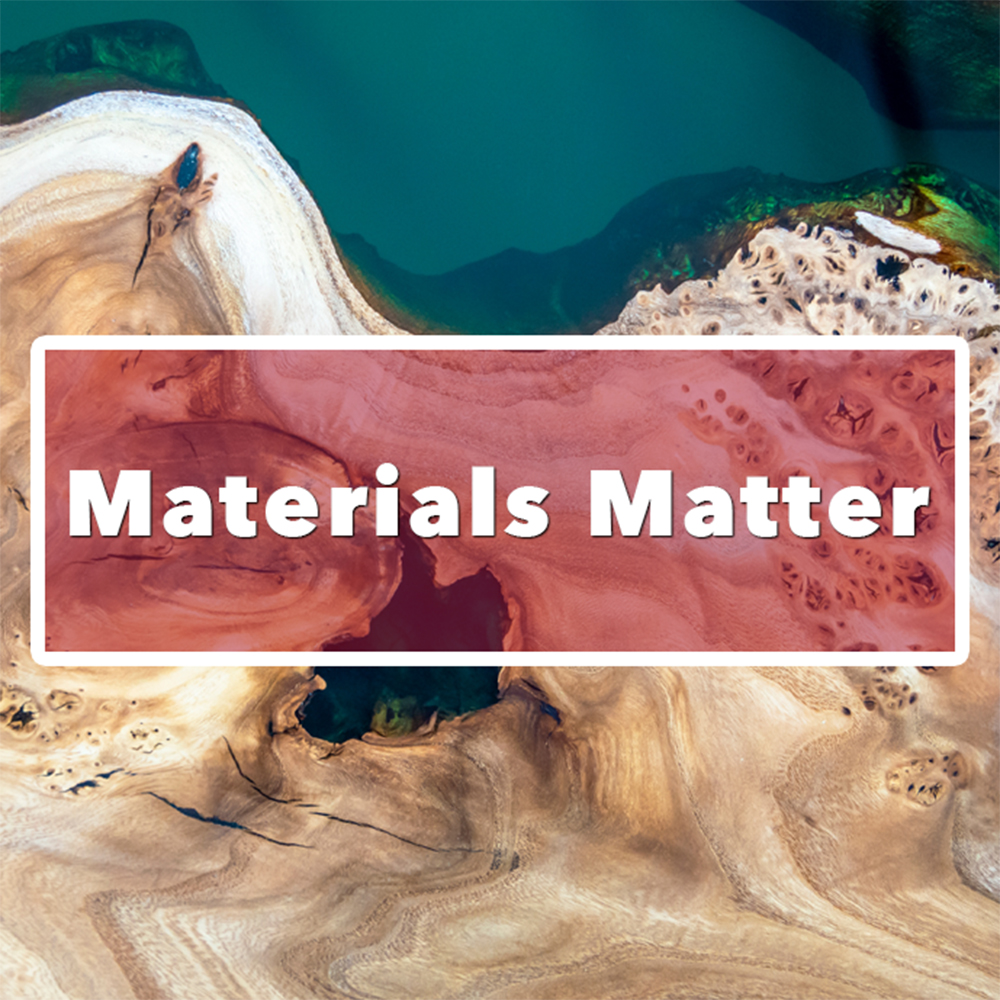
Different substrates demand different adhesive chemistries for optimal bonding. Understanding these material-specific considerations saves time and avoids incompatibility.
Metals
Metal surfaces present specific bonding challenges through surface oils from machining processes and natural oxidation layers that can interfere with adhesion. Structural acrylics excel at penetrating light oils to create strong bonds with minimal surface preparation requirements, making them ideal for production environments.
When paired with appropriate surface preparation techniques, epoxies and methyl methacrylate adhesives (MMAs) create exceptional connections with metals for maximum bond strength. These advanced adhesives form molecular-level connections that effectively distribute mechanical stress across the bond area, preventing concentration points that could lead to failure.
Plastics
Due to their molecular structure, low-surface-energy plastics like polypropylene, polyethylene, and thermoplastic olefin (TPO) actively resist bonding to conventional adhesives. Specialized TPO bonding formulations overcome this natural resistance without requiring primers or intensive surface treatments, saving time and production costs.
Higher-energy plastics like ABS, polycarbonate, and acrylic accept a broader range of adhesives. Cyanoacrylates (“super glues”) and structural acrylics create strong bonds with minimal preparation. The specific type of plastic in your application determines which adhesive chemistry will create the strongest molecular connection and long-term durability.
Composites
Combining reinforcement fibers and resin matrices in composite materials creates unique bonding requirements unlike homogeneous materials. Highly rigid adhesives often crack or fail when these materials flex or experience impact, leading to premature bond failure.
Toughened epoxies, MMAs, and flexible urethanes accommodate composite structures’ inherent movement and flexibility. These specialized formulations absorb impact energy and adapt to material expansion without compromising bond integrity, maintaining strength even under dynamic loading conditions.
Stone & Masonry
The irregular, porous surfaces of stone and masonry materials create bond line thickness variations that many adhesives cannot accommodate effectively. Epoxies, urethanes, and elastomeric adhesives excel at filling these surface irregularities while maintaining consistent bond strength throughout the joint.
These gap-filling capabilities ensure complete contact across uneven surfaces, creating bonds that effectively distribute loads across the entire adherend area. This complete surface conformity prevents stress concentration at high points, which could otherwise lead to premature failure under load.
Rubbers & Elastomers
Silicone and similar elastomers present extreme bonding challenges due to their inherently low surface energy and flexibility. Silicone-specific adhesives or specialized primers create chemical bridges that enable strong bonds to these traditionally difficult substrates.
Matching the adhesive’s flexibility properties to the substrate’s flexibility is crucial for these materials. This mechanical compatibility allows the bond to move with the substrate rather than fighting against it, preventing the stress concentration that occurs when rigid adhesives are used on flexible substrates.
Wood
Wood’s natural porosity and grain structure lead to uneven adhesive absorption that can weaken bonds if not properly addressed. Epoxies, urethanes, MS polymers, and emulsion adhesives account for these natural characteristics while creating strong connections that can last for decades.
Wood moisture content significantly influences adhesive selection and performance, as dimensional changes occur with humidity fluctuations. The right adhesive handles these moisture variations without bond degradation, ensuring long-term structural integrity even in changing environmental conditions.
Step 3: Understanding Joint Design & Stress Factors

Joint configuration plays a crucial role in adhesive performance. The mechanical realities of your design determine which adhesive properties matter most.
Gap Size Matters
Bond line thickness affects adhesive strength. Large gaps require specialized gap-filling formulations, such as epoxies or urethanes, that maintain their strength even with significant material between substrates.
Tight-fitting components benefit from low-viscosity adhesives that flow into microscopic spaces through capillary action. When using the right adhesive chemistry, these thin bond lines often produce the strongest connections.
Flow & Application Properties
Adhesive viscosity determines application behavior in production environments. High-viscosity products resist gravity on vertical surfaces and prevent run-off in overhead applications.
Low-viscosity formulations penetrate tight spaces where thicker products cannot reach. This flow characteristic enables bonding in assemblies where access to the bond line is limited.
Thixotropic adhesives combine the benefits of both worlds. They remain in place until pressure causes controlled flow. This rheology enables precise dispensing without unwanted migration before cure.
Forces on the Bond
Different mechanical forces demand different adhesive properties to prevent failure:
- Shear forces slide bonded surfaces past each other. This stress type occurs in panel attachments and bracket mounts. Most structural adhesives effectively resist shear forces.
- Tensile forces pull surfaces directly apart, which is critical in load-bearing applications. High-strength adhesives with excellent cohesive properties create bonds that resist these direct pulling forces.
- Peel forces progressively separate surfaces from one edge. These challenging stresses require flexible adhesives with high peel resistance to prevent progressive bond failure.
- Impact loads deliver sudden force that can shatter brittle bonds. Impact-resistant formulations absorb this energy through controlled deformation before returning to their original state.
An adhesive matched to your application’s specific force profile prevents the most common causes of bond failure.
Step 4: Environmental Considerations

Real-world conditions test every bond. Your adhesive must withstand the specific environmental challenges present in your application.
Temperature Performance
Operational temperature ranges define which adhesive chemistries will succeed in your application. High-temperature environments demand specialized formulations that maintain strength when conventional adhesives soften or degrade.
Cryogenic applications present the opposite challenge: bonds must remain flexible at extremely low temperatures rather than become brittle and crack. The temperature cycle your product will experience determines which adhesive chemistry provides optimal performance.
Moisture & Humidity Resistance
Water exposure breaks down many adhesive bonds through hydrolysis or physical ingress between substrate and adhesive. Applications with water exposure require formulations that resist moisture degradation through chemical resistance or enhanced substrate wetting.
Some adhesive systems cure through reaction with atmospheric moisture. These formulations perform exceptionally well in humid environments but may struggle in extremely dry conditions where cure speed slows significantly.
UV Exposure Protection
Sunlight degrades many adhesive systems over time through photochemical reactions. Outdoor applications require UV-resistant formulations that maintain physical properties despite constant solar radiation.
UV-curable adhesives offer production advantages through rapid processing but may require additional stabilizers for long-term sun exposure. The distinction between UV-curing and UV-resistance is vital for outdoor applications.
Chemical Resistance
Exposure to solvents, acids, fuels, or cleaning agents challenges adhesive bonds at the molecular level. Applications with chemical exposure demand formulations specifically engineered to resist these substances.
Different adhesive families offer varying resistance profiles against chemical groups. Matching your specific chemical environment to an adhesive’s resistance profile ensures bond integrity throughout your product’s service life.
Step 5: Performance Requirements
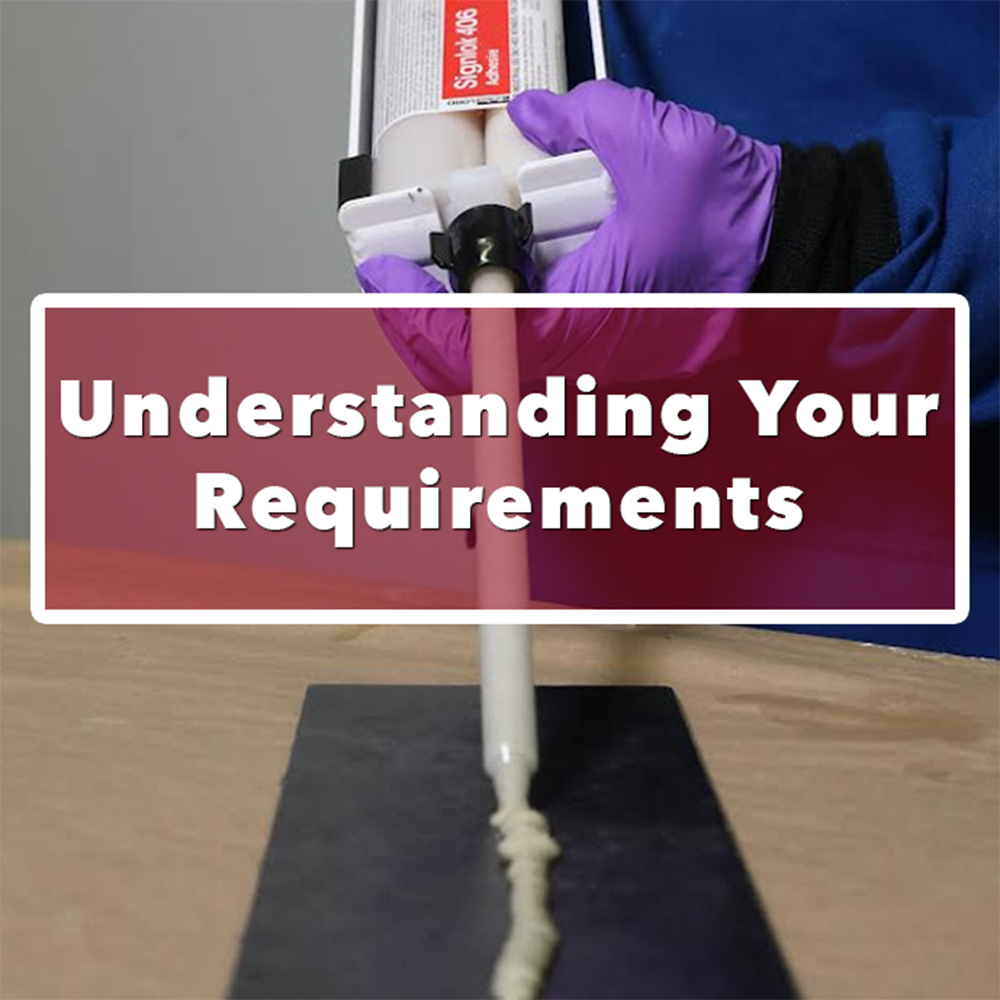
Beyond basic material joining, what specific performance attributes must your adhesive provide?
Strength Requirements
Load-bearing applications demand high-strength adhesives designed to transfer significant forces between components. These structural formulations resist both tensile and shear forces while maintaining long-term durability.
Non-structural applications may benefit from trading some strength for other valuable properties like flexibility, ease of application, or reworkability. Understanding your actual strength requirements prevents over-engineering while ensuring adequate performance.
Flexibility Needs
Applications involving movement, vibration, or thermal expansion benefit from flexible adhesives that accommodate these forces. Rather than fighting against substrate movement, these formulations move with the components while maintaining their bond integrity.
Rigid adhesives can create stronger initial bonds in some configurations but risk catastrophic failure when subjected to movement or impact. The degree of flexibility required depends on your specific application demands.
Electrical Properties
Electronic assemblies may require either electrical conductivity or complete isolation between components. Conductive adhesives incorporate metal fillers that create electrical pathways while maintaining bond strength.
Thermally conductive but electrically insulating formulations serve specific needs in heat-sensitive electronic applications. These specialized products transfer heat away from sensitive components while preventing unintended electrical connections.
Fire Resistance
Safety-critical aerospace, construction, and transportation applications require fire-resistant adhesives that meet regulatory standards. These specialized formulations maintain their integrity at high temperatures while minimizing smoke generation and toxic byproducts.
READ MORE: Choosing the Right Construction Adhesive for Your Project
Fire resistance testing methods vary by industry, so matching your adhesive’s specific certifications to your application requirements is essential.
Step 6: Application & Curing Considerations
The practical aspects of adhesive application and curing influence product selection and production efficiency.
Application Methods
Production requirements shape adhesive selection based on compatibility with existing equipment. Manual application allows greater flexibility in adhesive choice but may introduce consistency variations.
Semi-automated and fully automated processes demand adhesives compatible with specific dispensing equipment. Production volume and speed requirements may limit options to faster-curing adhesive families or specific dispensing technologies.
Curing Mechanisms
Curing method selection balances performance requirements against production constraints. Room-temperature curing simplifies production but extends manufacturing time compared to accelerated methods.
Heat-cured systems offer enhanced performance properties but require ovens or other heating equipment. UV-cured adhesives provide nearly instantaneous processing but demand light accessibility to the bond line.
Moisture-cured formulations excel in humid environments but may cure too slowly in dry conditions. Aligning the curing mechanism and production capabilities ensures manufacturing efficiency without unnecessary equipment investments.
Step 7: Testing & Validation

Verification through testing provides confidence in your adhesive selection before full production implementation.
Laboratory Testing
Controlled laboratory evaluation simulates the forces and conditions your bond will experience in service. Standardized shear, peel, and tensile testing generates comparable data across different adhesive options.
Accelerated aging tests predict long-term performance under environmental stresses like heat, humidity, and UV exposure. These data-driven insights prevent field failures by identifying potential issues before production begins.
Field Trials
Real-world testing validates that laboratory results translate to actual performance in your specific application. Limited-scale trials before full implementation prevent costly production failures and unexpected delays.
Monitoring test bonds over time reveals performance characteristics that accelerated testing might miss. This extended evaluation catches slow-developing issues before they affect customer satisfaction.
Surface Preparation Optimization
Fine-tuning surface preparation methods often yield significant improvements in bond strength. Even minimal changes to cleaning procedures or activation techniques can dramatically enhance adhesion through improved surface wetting.
Once optimal methods are established, documented preparation procedures ensure production consistency. This attention to process detail often makes the difference between marginal and exceptional bond performance.
Conclusion
While this guide provides a structured approach, many adhesive applications still require specialized expertise to address unique challenges and technical questions.
Fortunately, capable, quality adhesion partners have the knowledge and solutions to help with your specific applications. These adhesive experts can quickly identify the best solutions for your needs, saving you time and preventing costly mistakes.
Have questions about adhesive selection for your specific application? Ready to discuss solutions for your next project? Contact the Chemical Concepts team for personalized advice and adhesive recommendations for your application.