The EPA Methylene Chloride Ban Is Now in Effect: What You Need to Do Next
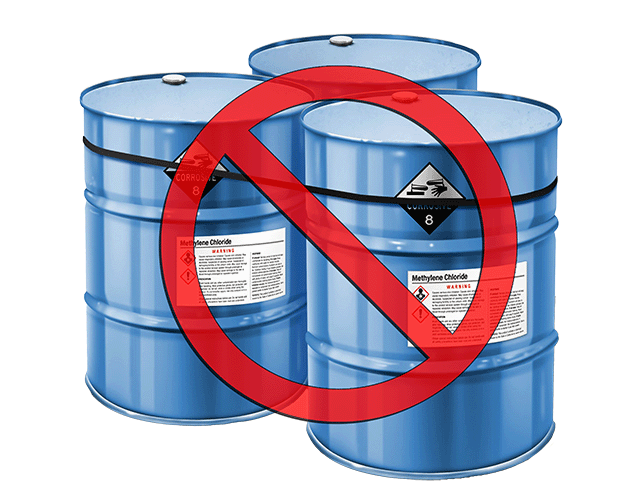
The EPA’s ban on methylene chloride (MC), also known as dichloromethane (DCM), is no longer a future regulatory change—it’s here.
One of the biggest misconceptions we continue to hear is that businesses can still purchase or continue using methylene chloride-based adhesives. In reality, the regulatory landscape has changed significantly. Most methylene chloride-based adhesives can no longer be sold, many manufacturers have discontinued legacy formulations, and companies that have not yet transitioned may be facing compliance and supply challenges.
If your operation previously relied on these products, it’s important to understand what has changed and what steps you should take next.
The Transition Period Is Over
For the past two years, Chemical Concepts has been helping customers prepare for the EPA’s restrictions on methylene chloride. Early communications focused on inventory planning, qualifying replacement products, and understanding the implementation timeline.
Today, the conversation is different.
Many of the products customers relied on for years are no longer available for purchase in their original formulations. Manufacturers have either discontinued them or introduced reformulated alternatives that no longer contain methylene chloride.
If you haven’t reviewed your adhesive process recently, now is the time.
Why This Matters
Methylene chloride was widely used because it offered fast evaporation, excellent solvency, and reliable performance in products such as:
- Non-flammable contact cements
- Solvent welding adhesives
- Certain solvent-based adhesives
- Industrial cleaning formulations
As manufacturers transition to methylene chloride-free formulations, replacement products may have different application methods, drying times, cure mechanisms, or handling requirements.
Simply ordering the product you’ve always used may no longer be an option.
Some Companies May Not Realize Their Products Have Changed
The transition has happened gradually, making it easy for some companies to miss important changes.
Some products have already been discontinued entirely. Others have been reformulated to eliminate methylene chloride while retaining the same or similar product name. In other cases, manufacturers have introduced completely new replacement products.
If you’re still specifying products based on older part numbers or historical performance, it’s worth confirming that you’re using the current compliant formulation and understanding whether any process adjustments may be needed.
If You Previously Used MC-Based Adhesives
If your operation has historically relied on methylene chloride-based adhesives, now is a good time to verify that your transition is complete.
Ask yourself:
- Have all methylene chloride-based products been removed from your process?
- Have replacement products been fully qualified for production?
- Has your team been trained on any differences in application or curing?
- Are your purchasing specifications and approved product lists up to date?
Many companies spent months preparing for the EPA’s rule, while others may only now be discovering that products they previously relied upon are no longer available.
Transitioning Successfully Requires More Than Finding a Substitute
Replacing an adhesive isn’t simply matching one product number with another.
The right replacement depends on factors such as:
- Materials being bonded
- Production process
- Cure requirements
- Open time
- Environmental exposure
- Required bond performance
- Worker safety and regulatory compliance
Selecting the right replacement helps maintain production efficiency while reducing the risk of bond failures, rework, and unexpected downtime.
How Chemical Concepts Can Help
Every manufacturing process is different, and there is rarely a one-size-fits-all replacement for methylene chloride-based products.
Chemical Concepts works with customers to:
- Identify products affected by the EPA rule
- Recommend compliant replacement adhesives, cleaners, and specialty formulations
- Help qualify replacement products for specific applications
- Minimize production disruptions during product transitions
- Answer technical questions about reformulated products and alternative chemistries
Our goal isn’t simply to recommend another adhesive—it’s to help you find the solution that best fits your application while maintaining compliance, performance, and productivity.
Don’t Get Caught Unprepared
The EPA’s methylene chloride ban has fundamentally changed the industrial adhesive market. Most methylene chloride-based adhesives can no longer be sold, and many legacy products have already been discontinued or replaced with reformulated alternatives.
If your operation previously relied on methylene chloride-based adhesives, cleaners, or specialty formulations, the priority is no longer deciding whether to transition—it’s ensuring you’ve successfully transitioned to compliant products that maintain your process and production standards.
Chemical Concepts can help you identify affected products, recommend compliant replacements, and minimize disruption as you move to methylene chloride-free solutions. The sooner you verify your adhesive process, the sooner you can move forward with confidence while remaining compliant.