
Cross Bonding Adhesives
Cross Substrate Bonding Adhesives
Overcoming the Coefficient of Thermal Expansion (CTE)
Bonding dissimilar materials—like metal to plastic, or composites to wood—is one of the greatest challenges in manufacturing. Because different materials expand and contract at different rates when exposed to heat and cold (CTE), standard rigid adhesives will easily fatigue, shear, and fail.
At Chemical Concepts, we supply highly toughened, elastomeric, and flexible adhesives engineered specifically to absorb these thermal stresses while maintaining extreme structural strength. Browse our 1-Part and 2-Part cross-bonding solutions below to find the perfect match for your substrates.
Understanding the Chemistry: 1K vs. 2K Adhesives
1-Component (1K) Sealants & Adhesives
Moisture-curing adhesives designed for maximum flexibility, weather resistance, and vibration dampening. Ideal for panel bonding and environments with extreme thermal shifting.
- Hybrids (MS Polymers): The best of both worlds. Features high “green strength” for instant vertical grab (BoaBond), bonds to damp surfaces, and is fully paintable.
- Polyurethanes (PU): The heavy-duty workhorse. Highly sandable and paintable (Sikaflex), offering exceptional abrasion resistance for marine and specialty vehicles.
- Silicones: The gold standard for extreme temperatures and UV radiation (ASI, Silco). Remains permanently flexible but cannot be painted.
2-Component (2K) Structural Adhesives
Chemically curing adhesives designed to replace welds and mechanical fasteners. Engineered to carry immense dynamic loads across dissimilar substrates.
- Methyl Methacrylates (MMA): Extremely fast, tough, and versatile. MMAs require virtually no surface prep and offer the elasticity needed to bond plastics to metals.
- Structural Epoxies: Unmatched for maximum rigidity, chemical resistance, and heavy load-bearing strength on metals, stone, and wood.
- Structural Urethanes: Highly impact and vibration resistant. The ideal choice for bonding sensitive thermoplastics, coated metals, and foams.
Cross-Bonding Substrate Matcher
Metals to Plastics
Bonding aluminum or steel to engineered plastics (Acrylic, PC, ABS) requires a toughened adhesive to absorb the CTE difference.
TOP RECOMMENDATIONS:
➜ Ultralok UL420GB (MMA)
➜ Plexus MA420 / MA300 (MMA)
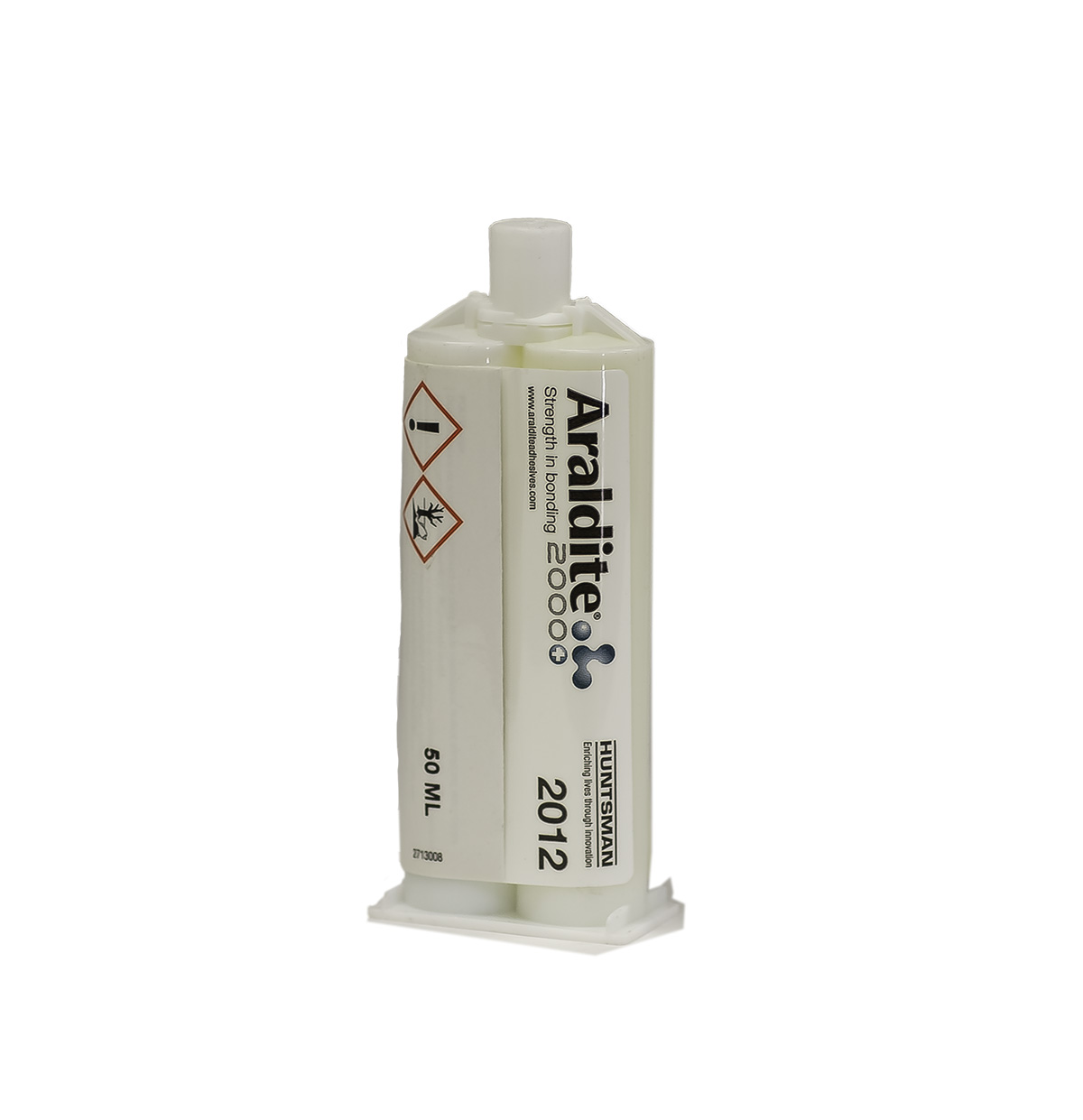
➜ Araldite 2011 / 2012 (Epoxy)
Metals to Composites
For bonding carbon fiber, fiberglass, or SMC to metals in marine and transportation applications.
TOP RECOMMENDATIONS:
➜ Ultralok UL300 (MMA)
➜ Plexus MA560 / MA590 (MMA)
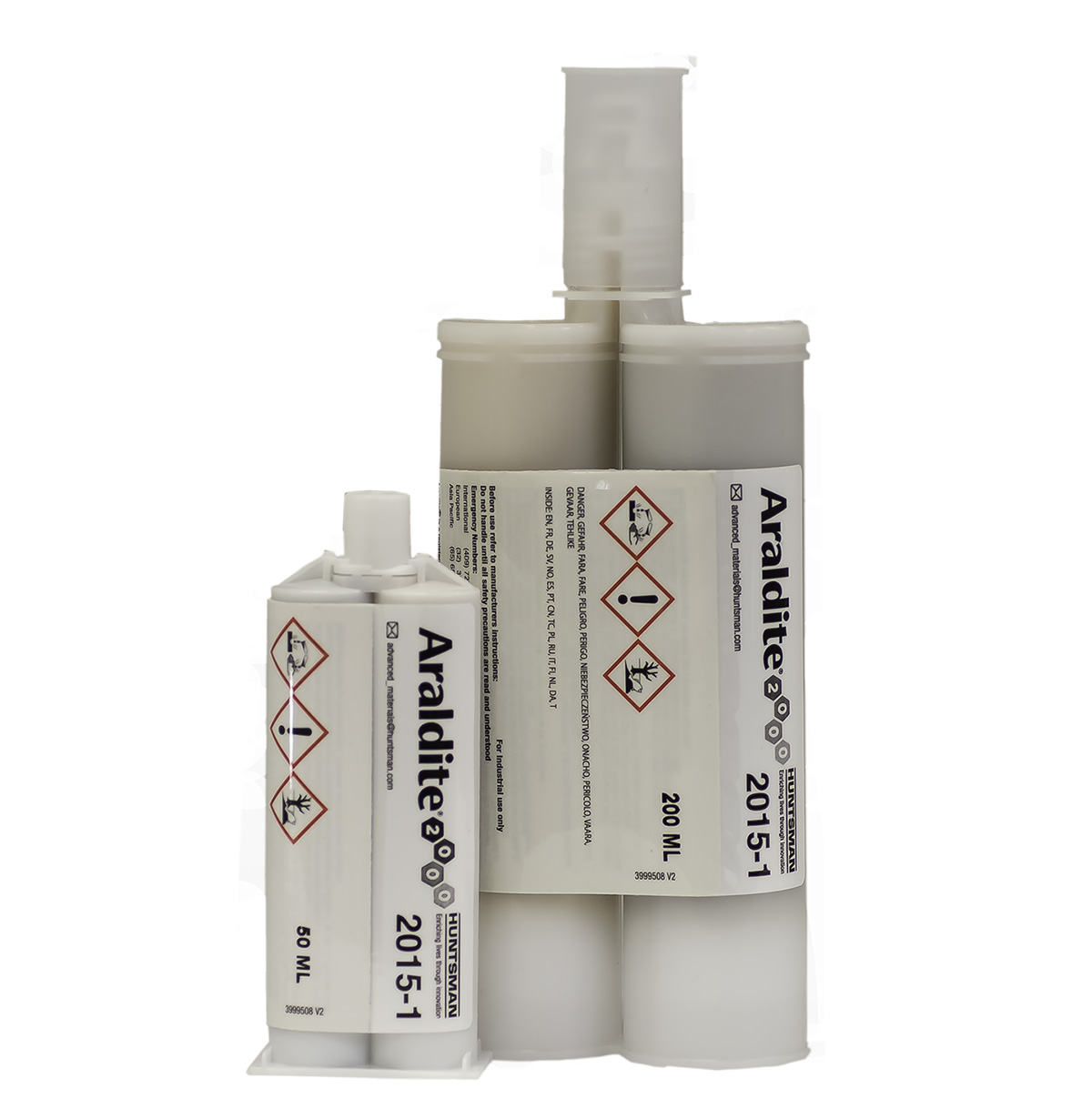
➜ Araldite 2015-1 (Epoxy)
Galvanized & Coated Metals
Powder-coated, E-coated, and galvanized metals repel standard glues. They require specialty cross-bonding formulations.
TOP RECOMMENDATIONS:
➜ Plexus MA8110GB (Galvanized MMA)
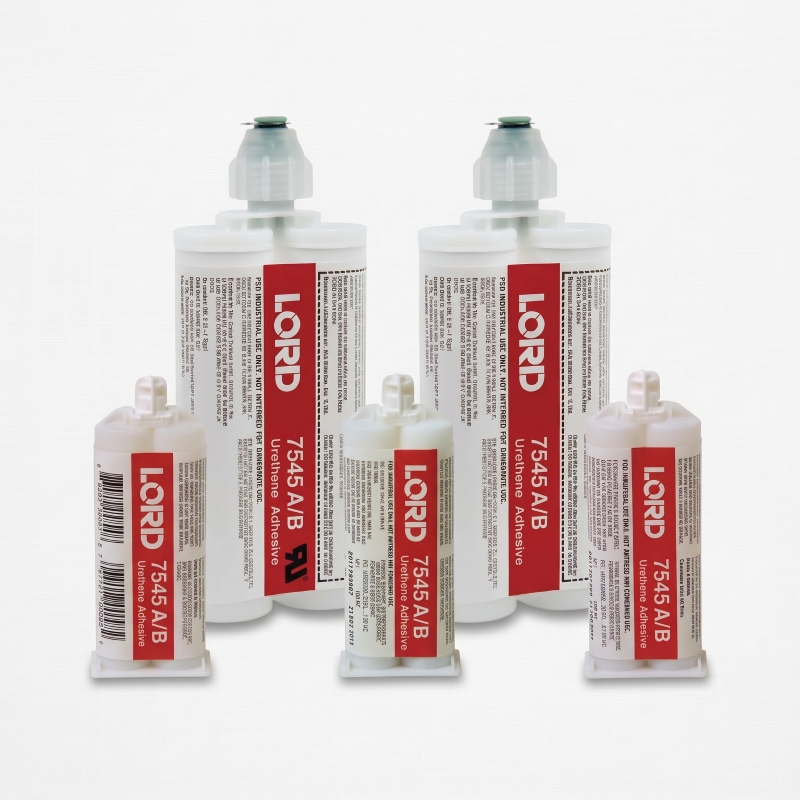
➜ Lord 7545 (Powder-Coat Urethane)
➜ Ultralok UL4005 (MMA)
Wood / Stone to Metal
Porous substrates like wood, concrete, and ceramic require epoxies or heavy-duty MS Polymers to grab and hold against smooth metals.
Glass to Metals
Bonding glass requires extreme UV stability (Silicone) or a primed structural bond to prevent delamination.
Thermoplastics & Foam Boards
HDPE, TPO, Nylon, and PVC foams are notoriously difficult to bond and require highly flexible urethanes or specialized MMAs.
TOP RECOMMENDATIONS:
➜ Permabond TA4610 (Low Energy Plastic Adhesive)
➜ Plexus MA300 (MMA)
Need to Spec an Adhesive for Dissimilar Substrates?
Do not risk a structural failure due to thermal expansion. Let our engineering team evaluate your specific substrates, load limits, and operating temperatures to recommend the perfect 1K or 2K adhesive solution.
Cross Substrate Bonding Adhesives
Overcoming the Coefficient of Thermal Expansion (CTE)
Bonding dissimilar materials—like metal to plastic, or composites to wood—is one of the greatest challenges in manufacturing. Because different materials expand and contract at different rates when exposed to heat and cold (CTE), standard rigid adhesives will easily fatigue, shear, and fail.
At Chemical Concepts, we supply highly toughened, elastomeric, and flexible adhesives engineered specifically to absorb these thermal stresses while maintaining extreme structural strength. Browse our 1-Part and 2-Part cross-bonding solutions below to find the perfect match for your substrates.
Understanding the Chemistry: 1K vs. 2K Adhesives
1-Component (1K) Sealants & Adhesives
Moisture-curing adhesives designed for maximum flexibility, weather resistance, and vibration dampening. Ideal for panel bonding and environments with extreme thermal shifting.
- Hybrids (MS Polymers): The best of both worlds. Features high “green strength” for instant vertical grab (BoaBond), bonds to damp surfaces, and is fully paintable.
- Polyurethanes (PU): The heavy-duty workhorse. Highly sandable and paintable (Sikaflex), offering exceptional abrasion resistance for marine and specialty vehicles.
- Silicones: The gold standard for extreme temperatures and UV radiation (ASI, Silco). Remains permanently flexible but cannot be painted.
2-Component (2K) Structural Adhesives
Chemically curing adhesives designed to replace welds and mechanical fasteners. Engineered to carry immense dynamic loads across dissimilar substrates.
- Methyl Methacrylates (MMA): Extremely fast, tough, and versatile. MMAs require virtually no surface prep and offer the elasticity needed to bond plastics to metals.
- Structural Epoxies: Unmatched for maximum rigidity, chemical resistance, and heavy load-bearing strength on metals, stone, and wood.
- Structural Urethanes: Highly impact and vibration resistant. The ideal choice for bonding sensitive thermoplastics, coated metals, and foams.
Cross-Bonding Substrate Matcher
Metals to Plastics
Bonding aluminum or steel to engineered plastics (Acrylic, PC, ABS) requires a toughened adhesive to absorb the CTE difference.
TOP RECOMMENDATIONS:
➜ Ultralok UL420GB (MMA)
➜ Plexus MA420 / MA300 (MMA)
➜ Araldite 2011 / 2012 (Epoxy)
Metals to Composites
For bonding carbon fiber, fiberglass, or SMC to metals in marine and transportation applications.
TOP RECOMMENDATIONS:
➜ Ultralok UL300 (MMA)
➜ Plexus MA560 / MA590 (MMA)
➜ Araldite 2015-1 (Epoxy)
Galvanized & Coated Metals
Powder-coated, E-coated, and galvanized metals repel standard glues. They require specialty cross-bonding formulations.
TOP RECOMMENDATIONS:
➜ Plexus MA8110GB (Galvanized MMA)
➜ Lord 7545 (Powder-Coat Urethane)
➜ Ultralok UL4005 (MMA)
Wood / Stone to Metal
Porous substrates like wood, concrete, and ceramic require epoxies or heavy-duty MS Polymers to grab and hold against smooth metals.
Glass to Metals
Bonding glass requires extreme UV stability (Silicone) or a primed structural bond to prevent delamination.
Thermoplastics & Foam Boards
HDPE, TPO, Nylon, and PVC foams are notoriously difficult to bond and require highly flexible urethanes or specialized MMAs.
TOP RECOMMENDATIONS:
➜ Permabond TA4610 (Low Energy Plastic Adhesive)
➜ Plexus MA300 (MMA)
Need to Spec an Adhesive for Dissimilar Substrates?
Do not risk a structural failure due to thermal expansion. Let our engineering team evaluate your specific substrates, load limits, and operating temperatures to recommend the perfect 1K or 2K adhesive solution.
Items 1–12 of 16
-

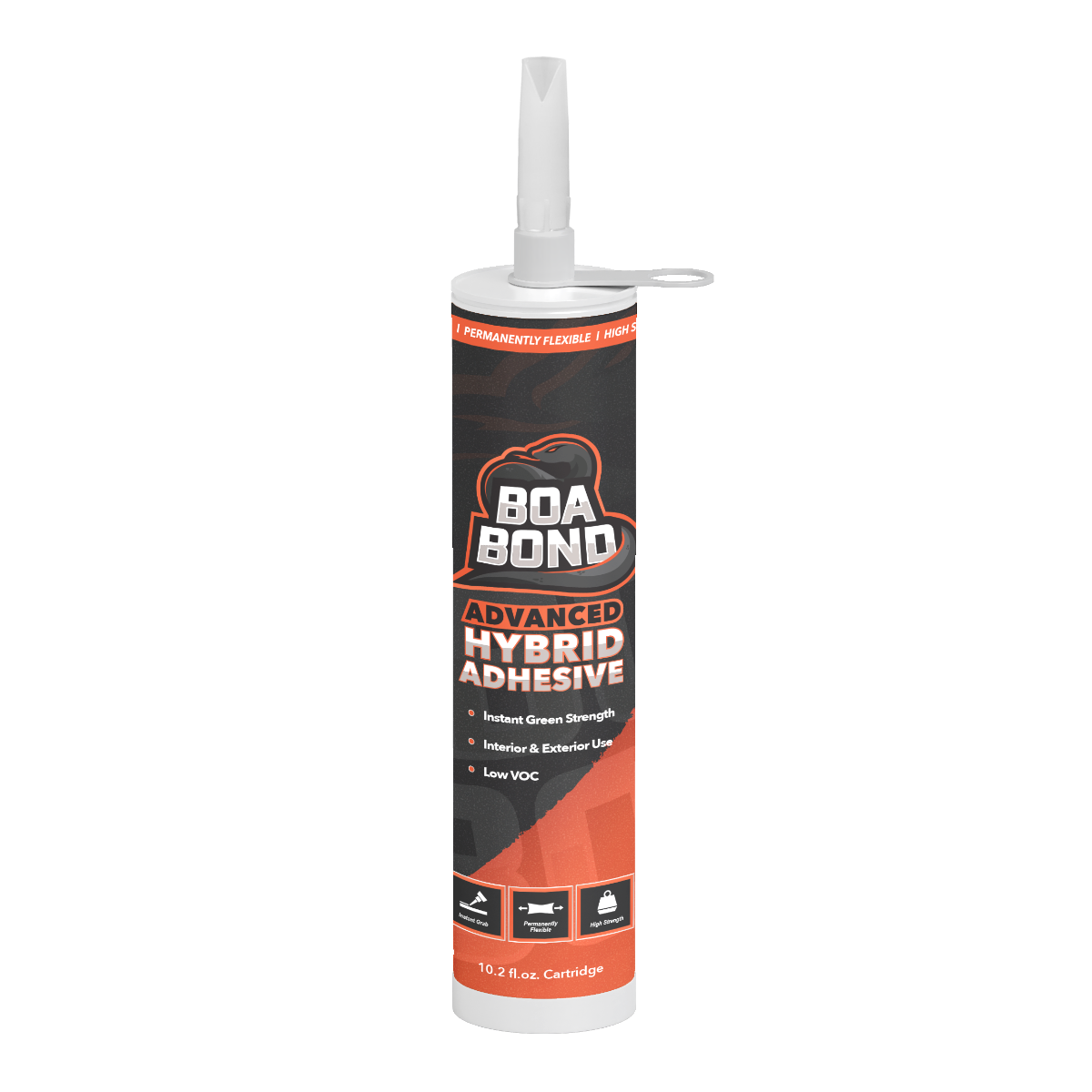
BoaBond Advanced Hybrid Adhesive – 10.2 oz White Cartridge
SKU BOA-AHA-NW-10C Our Price Starting at $10.13
You save View ProductBoaBond Advanced Hybrid Adhesive – 10.2 oz White Cartridge
BoaBond Advanced Hybrid Adhesive is a 100% solids, professional-grade instant grab adhesive. Unlike solvent-based adhesives that shrink up to 40%, BoaBond maintains its full volume, providing a permanent, no-sag bond in demanding vertical and overhead applications.
- 100% Solids: Zero shrinkage – what you apply stays.
- Wet Surface Rated: Bonds to damp substrates without bubbling or washing off.
- Instant Green Strength: Eliminates bracing and temporary supports.
- Weatherproof: 10,000-hour QUV tested for extreme UV resistance.
The industry-leading choice for undermount sinks, vertical trim, architectural panels, and landscape blocks.
Our Price Starting at $10.13
You save -

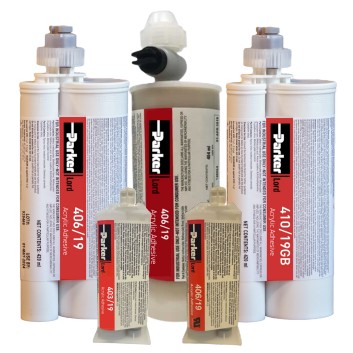
LORD 406/19 Structural Acrylic Adhesive (4:1)
SKU LORD 406/19 (4:1) Our Price Starting at $23.21 View ProductLORD 406/19 Structural Acrylic Adhesive (4:1)
Two-part 4:1 structural acrylic that bonds unprepared metals and engineered plastics with high impact and peel strength. 6 to 10 minute work time.
Our Price Starting at $23.21 -
Chem-Set MS-35 Hybrid Adhesive Sealant
High-performance hybrid adhesive sealant in Ultra Clear & White. UV stable, VOC compliant, paintable, and bonds to most common substrates.
Our Price Starting at $8.30 -

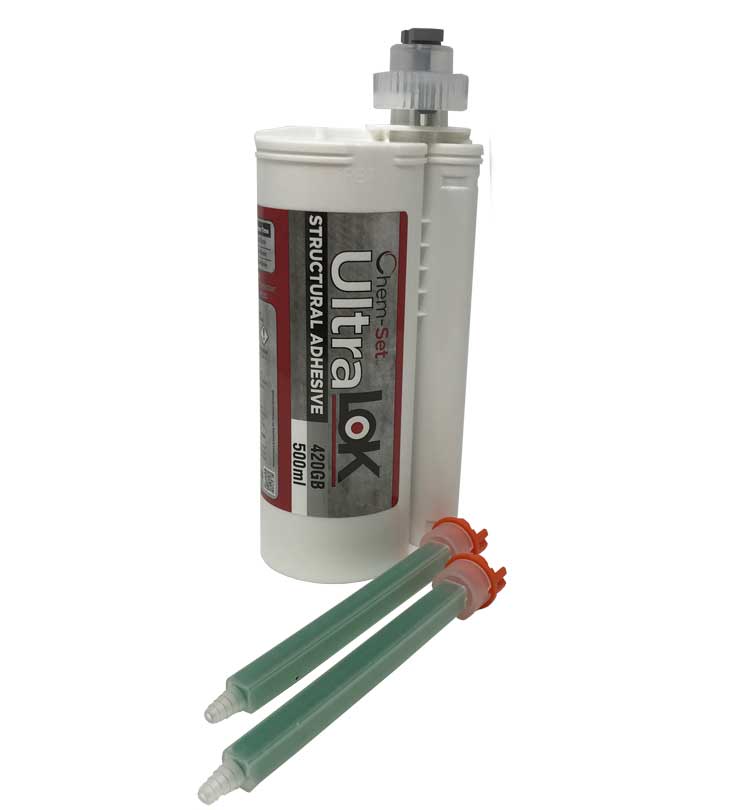
UltraLok® 420GB Structural MMA Adhesive
SKU UltraLok® 420GB Our Price Starting at $21.50 View ProductUltraLok® 420GB Structural MMA Adhesive
Fast-setting structural MMA adhesive for bonding metals, plastics, and composites. Ultra strength, impact resistant, and no surface prep required.
Our Price Starting at $21.50 -

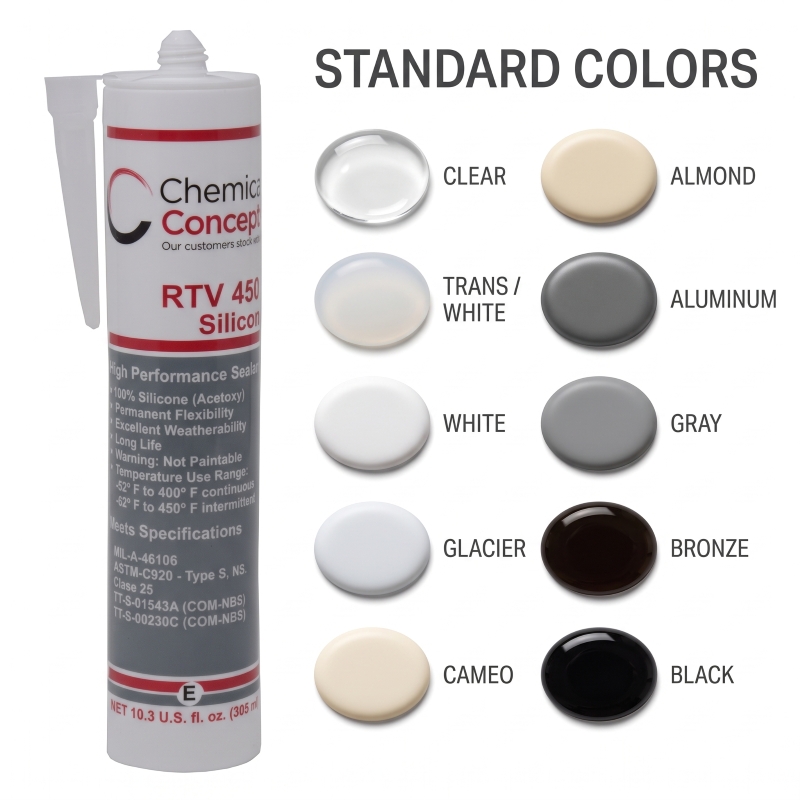
Chem-Set RTV4500 100% Silicone Sealant – Standard Colors
SKU CCS-RTV4500 Our Price Starting at $5.04 View ProductChem-Set RTV4500 100% Silicone Sealant – Standard Colors
100% acetoxy RTV silicone sealant in 10 standard colors. NSF 51 food safe, non-slump, 25% joint movement. 10.2 oz cartridge, fits a standard caulk gun.
Our Price Starting at $5.04 -
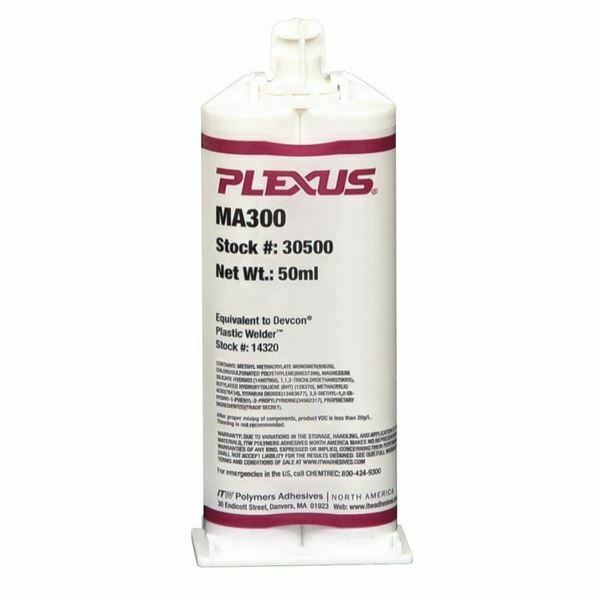
Plexus® MA300 MMA Structural Adhesive
Two-part 1:1 methacrylate adhesive with 3–6 min working time, high stiffness and strength. Bonds plastics, metals, composites. Non‑sag gel.
Our Price Starting at $19.42 -

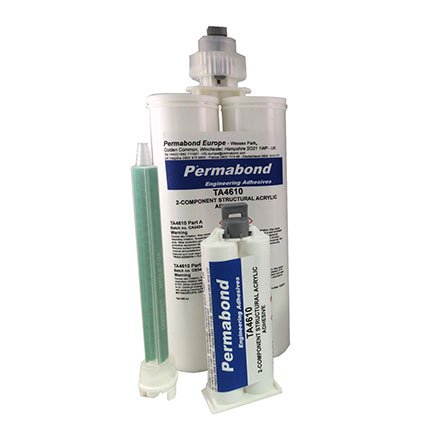
Permabond TA4610 HDPE & Polyolefin Structural Acrylic Adhesive
SKU PERTA04610 Our Price Starting at $57.07 View ProductPermabond TA4610 HDPE & Polyolefin Structural Acrylic Adhesive
Two-part acrylic that bonds untreated HDPE, polypropylene, PE and PTFE with no primer. Longer open time for large assemblies, and bonds underwater.
Our Price Starting at $57.07 -

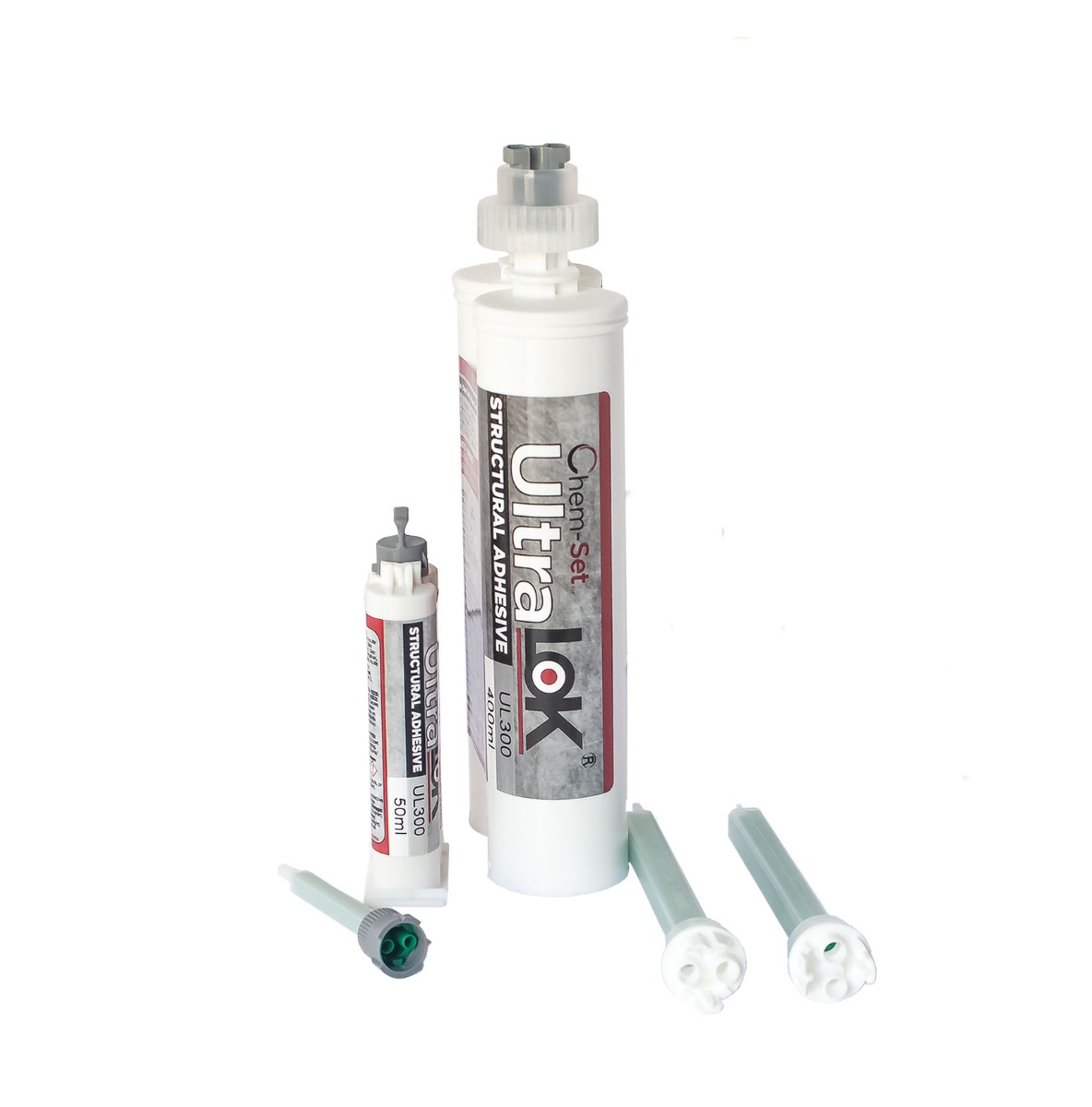
UltraLok® 300 MMA Structural Adhesive – Plastics, Composites & Metals
SKU CCA-UL300 Our Price Starting at $21.50 View ProductUltraLok® 300 MMA Structural Adhesive – Plastics, Composites & Metals
5-minute MMA adhesive for plastics, composites & metals. High-strength, flexible bonds with 3–6 min working time and 10–15 min fixture.
Our Price Starting at $21.50 -
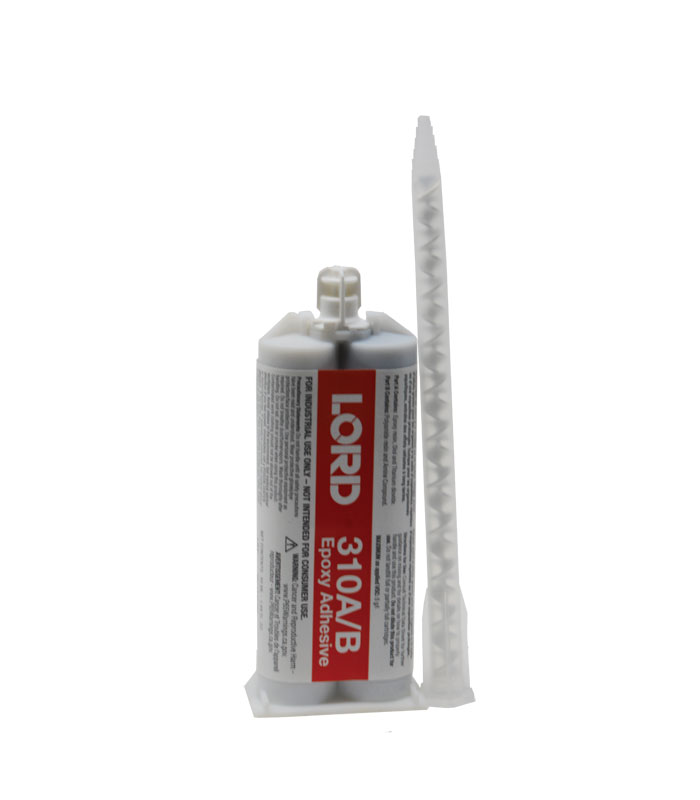
LORD 310 A/B Epoxy Adhesive
High-strength, two-part epoxy adhesive for metal, rubber, and plastics. Bonds tough and resists chemicals, temperature, and moisture.
Our Price Starting at $22.24 -
LORD 7545-A/B Structural Urethane Adhesive
SKU LORD 7545-A/7545-B (1:1) Our Price Starting at $23.26 View ProductLORD 7545-A/B Structural Urethane Adhesive
LORD 7545-A/B is a 1:1 two-part structural urethane adhesive for FRP, SMC, plastics and primed metals. Non-sag, 3 to 5 minute work time. Off-white or black.
Our Price Starting at $23.26

Featured Products
-
UltraLok® 9102 A/B Panel Bonding Epoxy
Ultralok 9102 epoxy adhesive is engineered for strong, reliable honeycomb and composite panel bonding with fire safety and thermal resistance.
Our Price Starting at $90.16 -
CarbonBar Versatile Flat Stock
Cut and drill like wood. Support like steel. Replace heavy, expensive custom metal fabrication with aerospace-grade carbon fiber structural blanks.
- 4X stronger & 5X lighter than steel.
- Customize on-site with standard carbide tools.
- 100% weatherproof and corrosion-proof.
↑ Select your Bar Length and Profile above ↑
Our Price Starting at $25.00 -

Chem-Set VST M1V38 Male High Bond Tape Fastener – M1-V38-1/4-20×1″
SKU CCH-M1V38-1/4-20X1P Our Price Starting at $1.78
You save View ProductChem-Set VST M1V38 Male High Bond Tape Fastener – M1-V38-1/4-20×1″
Our Price Starting at $1.78
You save


-
 Expert Support.
 -
 Same-Day Shipping.
 -
 50+ Years of Service
 Expert Support.
  Same-Day Shipping.
  50+ Years of Service
 Chemical-Concepts is a leading supplier of adhesives, chemicals and hardware for nearly every market in the industrial, government and defense sectors. Whatever your industry, we have all the hardware and adhesives you need to hold things together and keep things in place.