Description
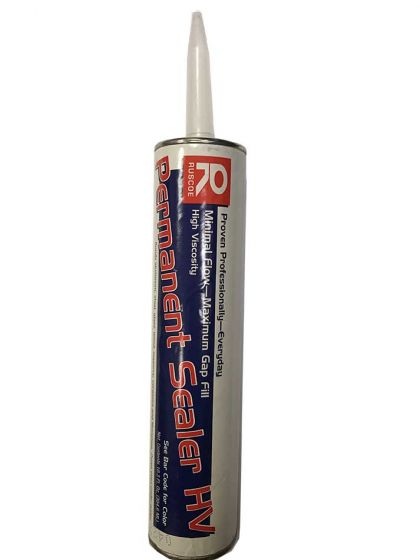
Ruscoe Permanent Sealer is an underwater cure sealant built to bond aluminum, steel, glass, wood, and rigid vinyl even in wet or submerged conditions. It resists fungus, many acids, gasoline, jet fuel, salt, and a wide range of other chemicals once cured, and it stays flexible rather than going brittle across sub-zero cold or desert heat.
What makes this an underwater cure sealant
Most sealants need a dry, controlled environment to cure properly, which rules them out for repairs below the waterline or in constant wet exposure. This formula cures underwater, so it handles jobs a standard sealant cannot: below-waterline pool and boat hull seams, submerged fitting repairs, and wet-climate installs where waiting for a dry window is not realistic. Once cured, the bond stays permanent yet flexible, so it moves with thermal expansion and vibration instead of cracking at the joint.
Where this underwater cure sealant earns its place
Rain gutter systems, storm doors, and replacement windows all call for a weatherproof seal that will not fail after repeated freeze-thaw or sun exposure cycles, and Ruscoe Permanent Sealer is built for exactly that kind of long-term exterior exposure. It also shows up on mobile homes, swimming pools, recreational vehicles, and boats, anywhere a joint sees constant moisture, chemical exposure, or hull flex. Because it bonds common building materials like brick, concrete, and fiberglass in addition to metal, glass, and wood, one cartridge covers most of the sealing jobs a maintenance crew runs into across a mixed-material structure.
Specifications
- Chemistry: Permanent, flexible sealant/adhesive
- Cure environment: Cures underwater, resists sub-zero and desert heat extremes
- Substrates: Aluminum, steel, glass, wood, rigid vinyl, brick, concrete, fiberglass
- Resistance: Fungus, many acids, gasoline, jet fuel, salt, common chemicals
- Finish: Paintable after 24 hour cure
- Packaging: 10.3 oz cartridge, clear
Because the cured bond stays flexible rather than rigid, it holds up on joints that see ongoing movement, hull flex, seasonal expansion, and contraction, rather than cracking the way a rigid sealant eventually does under the same conditions.
For background on sealant chemistry and application technique across climates and substrates, see the Adhesive and Sealant Council’s overview of sealant technologies.
Browse related sealants and adhesives at Chemical Concepts.
Need Help?
Need help matching this sealant to a below-waterline or wet-climate repair? Call (800) 220-1966 or email [email protected].


Reviews
There are no reviews yet.