
The Ultimate Guide to Bonding Metal: Tips, Techniques & Best Practices
Metal is prized across industries for its strength, durability and versatility. Bonding metal pieces together, however, can be challenging – it’s a non-porous surface prone to contaminants. This guide discusses proper preparation and adhesion tactics, which allow metal components to withstand stress, environmental factors and repeated use without failure.
Explore adhesives formulated for metals to ensure durability, but success requires the right prep, tools, and understanding of metal’s unique properties.
In this comprehensive guide, you’ll learn everything you need to create strong, durable adhesive bonds for metal applications, including:
- Why Bonding Metal Is Challenging
- 6 Proven Steps for Creating Reliable Metal Bonds
- How to Choose the Best Adhesive for Metal Substrates
Why Bonding Metal Is Challenging
Like any material, metal has distinct properties that affect adhesive performance. Understanding these challenges helps engineers and manufacturers select the right process to reduce failure and maximize durability.
Bonding Challenges: Non-Porous Metal Surfaces
Metal lacks micro-irregularities, making it difficult for adhesives to grip. Surface treatments like grit blasting or primers are often required to improve adhesion.
Contaminants That Affect Metal Bonding
Oils, grease, and oxidation layers can block adhesion. Clean surfaces with isopropyl alcohol or plasma treatment for best results.
Thermal Expansion in Metal Bonding
Metal expands and contracts with temperature shifts, stressing joints. Choose adhesives that can flex with the material during these cycles.
Galvanic Corrosion Risks
When bonding dissimilar metals, galvanic corrosion can occur. Use non-conductive adhesives or sealants to prevent degradation in moist environments.
Environmental Durability of Adhesive Bonds
Adhesives exposed to UV, moisture, or chemicals must be carefully selected. Look for formulas designed to resist harsh conditions over time.
6 Proven Steps for Creating Reliable Metal Bonds
While every metal bonding application is unique, these six steps provide a tested foundation for long-term success.
Step #1: Surface Preparation
Clean the metal using isopropyl alcohol, acetone, or specialty degreasers. For industrial uses, plasma or ultrasonic cleaning may be required. Abrading the surface improves adhesion and promotes mechanical bonding.
Step 2: Adhesive Selection and Preparation
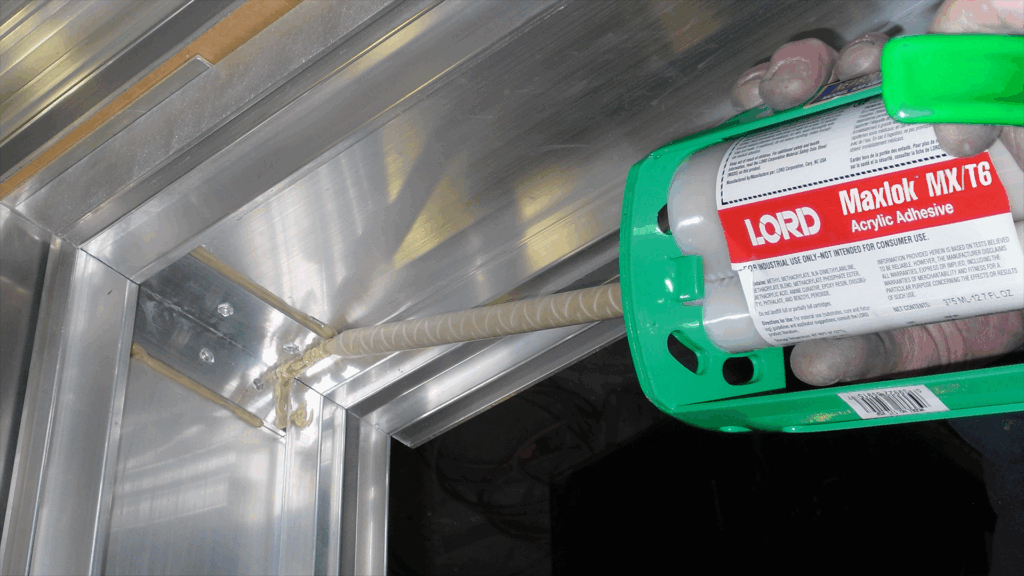
Select the right adhesive for the metal, application, and environment. Popular options include epoxies, acrylics, and cyanoacrylates. Mix thoroughly per the manufacturer’s instructions, especially with two-part formulas.
Step 3: Adhesive Application
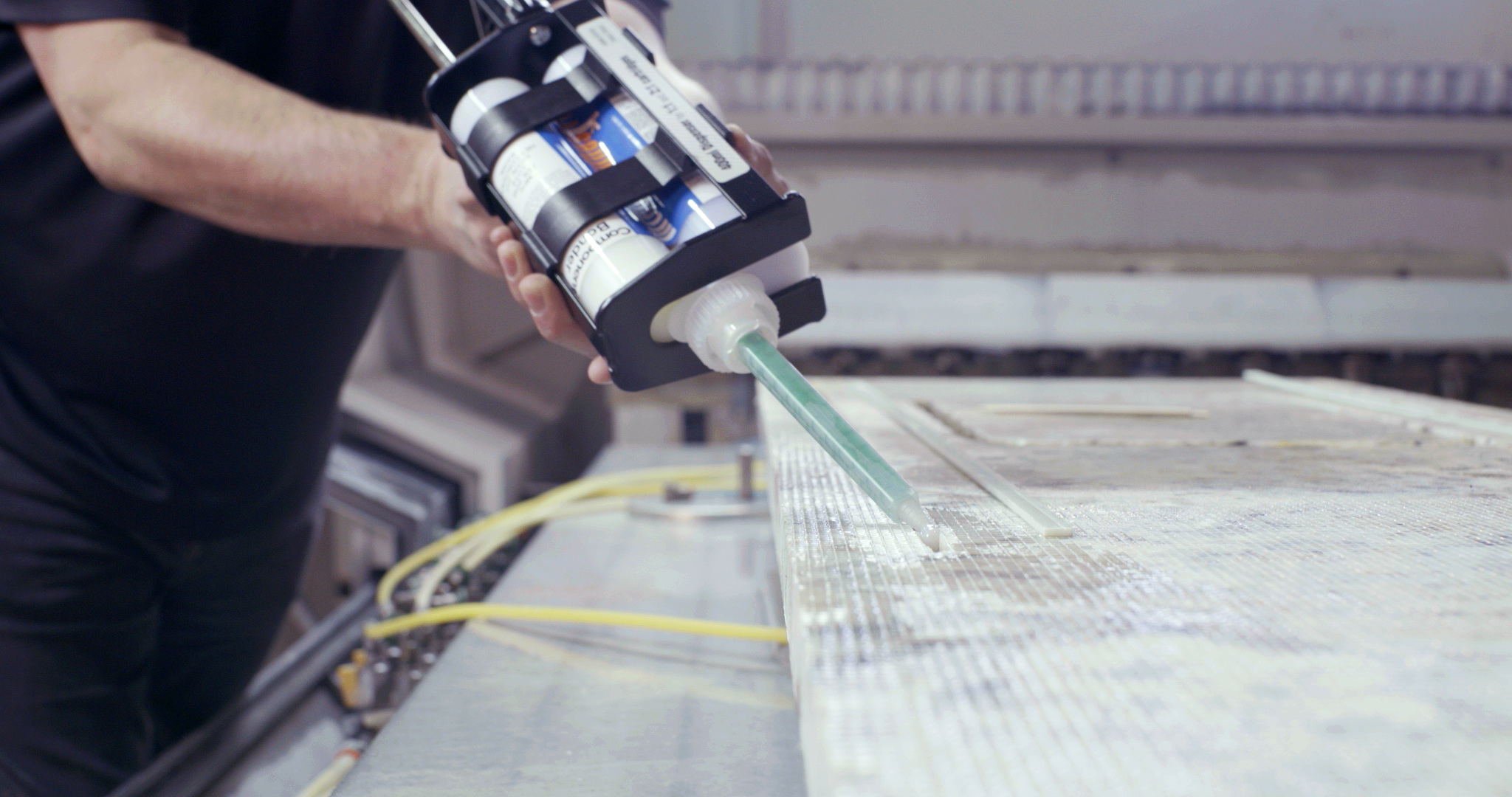
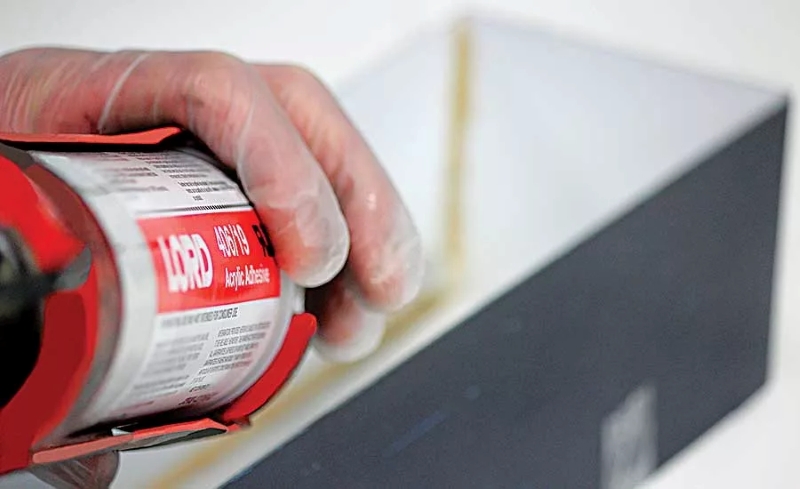
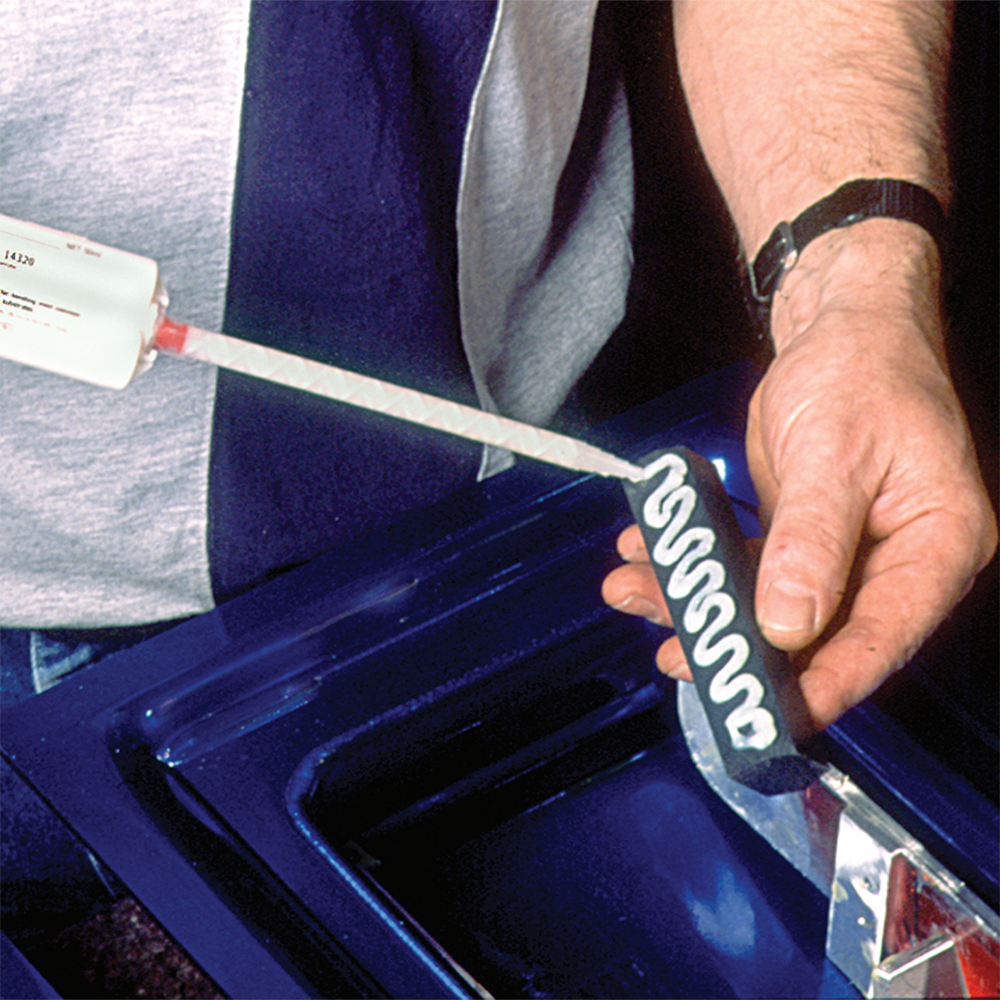
Apply a thin, uniform adhesive layer. Avoid over-application, which can weaken the joint. Use automated dispensers for better control in large-scale production.
Step 4: Positioning and Clamping
Ensure full contact between metal parts. Use clamps, weights, or vacuum fixtures to apply even pressure until curing begins.
Step 5: Curing the Adhesive
Follow the recommended cure time and temperature. Cures may occur at room temperature or require heat or UV light. Confirm full cure via mechanical testing, not just elapsed time.
Step 6: Post-Bond Testing and Inspection
Inspect for voids or misalignment. Test strength using pull, peel, or shear methods. Use X-ray or ultrasonic inspection when bond integrity is critical.
How to Choose the Best Adhesive for Metal Substrates
The adhesive you choose depends on the metal type, environmental demands, and required strength. Here are the most common options:
Acrylic Adhesives
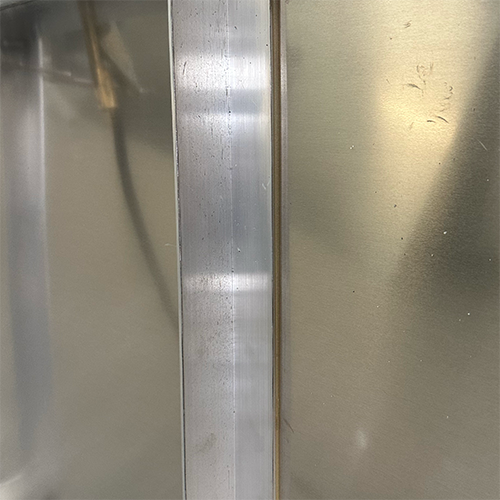
Acrylic adhesives are often the most versatile and effective solution for bonding metal. They bond well to bare, painted, or coated metals and to dissimilar materials like plastics and composites — often without the need for primers. Available with a wide range of specialized features, acrylics can offer snap curing, glass beads for consistent bond lines, and the ability to cut through light surface grease. Some advanced formulations are engineered for high-temperature resistance, making them suitable for bonding metal parts prior to powder coating or e-coating.
With varying levels of strength and flexibility, they adapt to both rigid and dynamic assemblies. While they may not match epoxies in prolonged extreme chemical exposure, their speed, ease of use, and adaptability make them the go-to choice for most metal bonding needs.
Epoxy Adhesives
Epoxies offer high strength and resistance to chemicals, temperature, and stress. Ideal for structural applications or harsh environments, though slower to cure.
Polyurethane Adhesives
Best for painted or coated metals—not raw metal. These adhesives remain flexible and resist water and vibration. They cure slowly and require clamping during setup.
Anaerobic Adhesives
Perfect for locking metal fasteners or cylindrical assemblies. Anaerobics only cure without oxygen and between metal surfaces—not meant for large surface bonding.
UV-Curing Adhesives
Used for small, precise metal assemblies in electronics and medical devices. Cure instantly when exposed to UV, but light must reach the entire bond area.
Key Considerations for Adhesive Selection
- Metal type: Coated vs. uncoated, ferrous vs. non-ferrous
- Application stress: Will the joint endure vibration or heavy load?
- Exposure: Consider UV, water, oil, temperature, and chemical contact
- Process compatibility: Can your shop use heat or UV curing?
Conclusion: Achieve Reliable Results When Bonding Metal
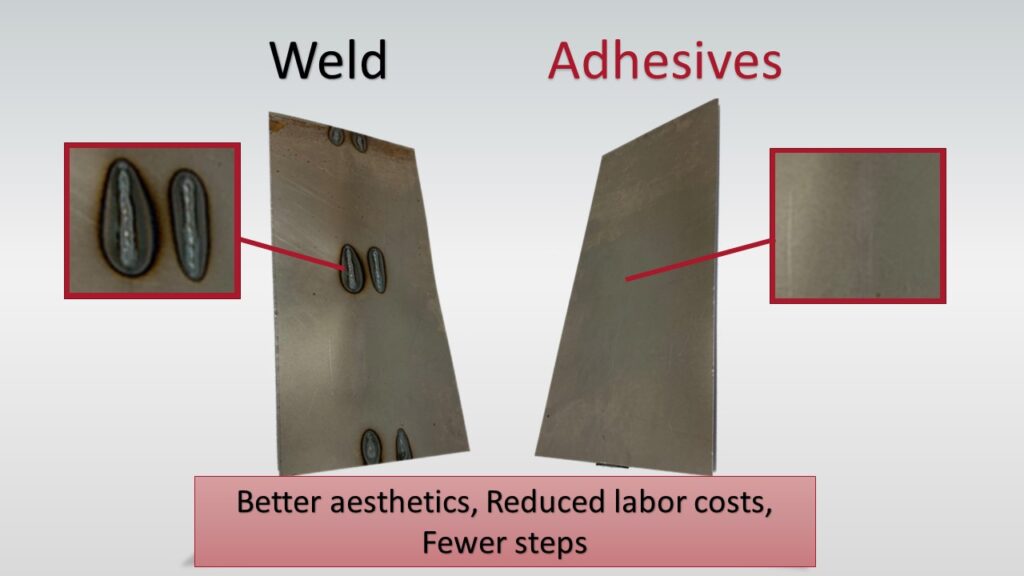
When done right, bonding metal offers cleaner aesthetics, reduced weight, and reliable structural performance. Match the right adhesive with proper surface prep and curing, and you’ll get industrial-grade results without the need for welding or mechanical fasteners.
Need help choosing the right adhesive for your metal bonding application? Contact our experts today for personalized support.