
How to Choose the Right Static Mixer

Static Mixer 101
Many people are rightly confused by the staggering number of available static mixers when using a two-part adhesive system. In this blog, we break down the different options available and how to choose the right static mixer for your application.
Table of Contents
- What is a Static Mixer?
- Why are Static Mixers Important?
- How to Find a New Static Mixer
- Tips for Replacing a Static Mixer
What is a Static Mixer?
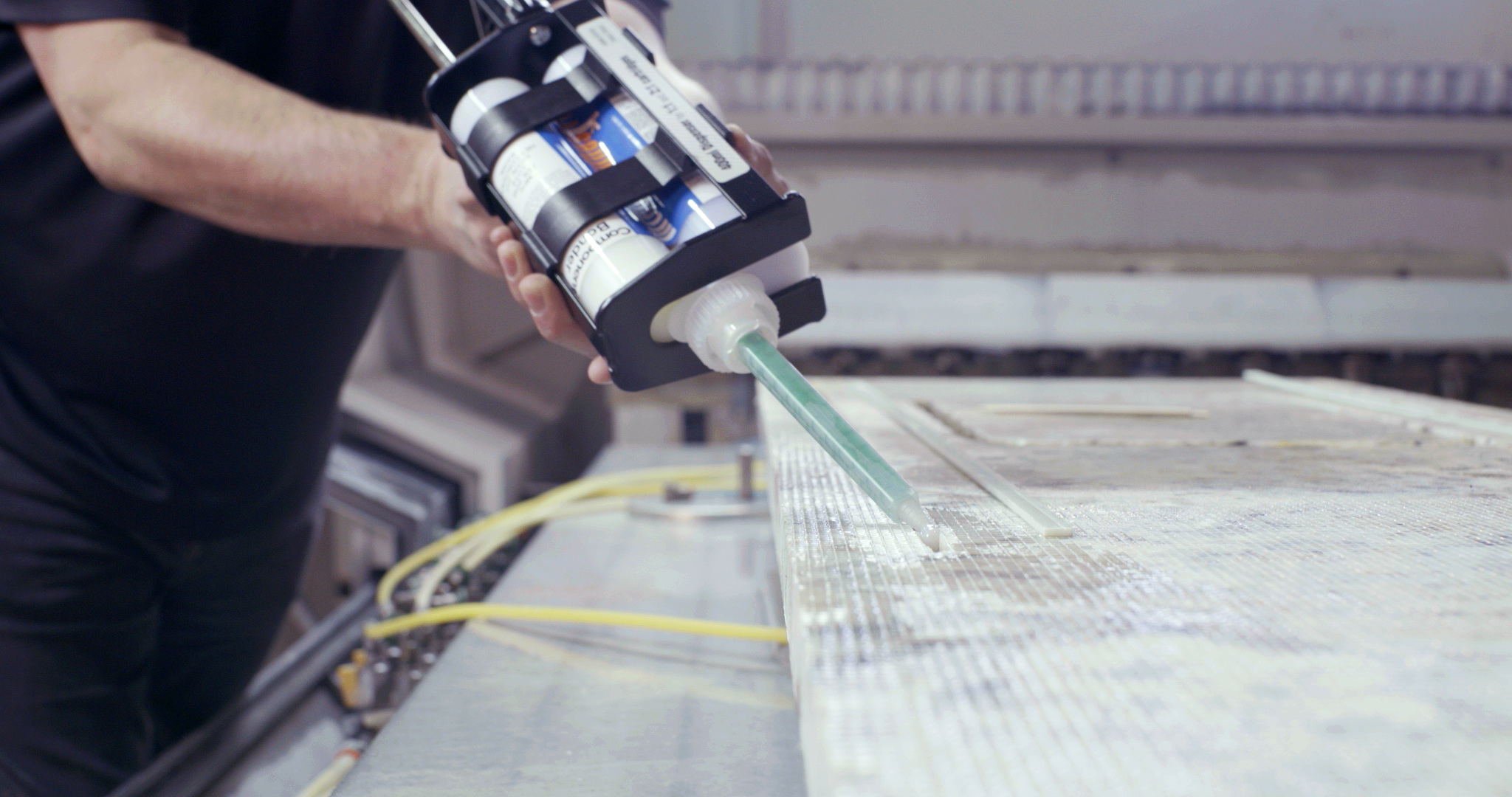
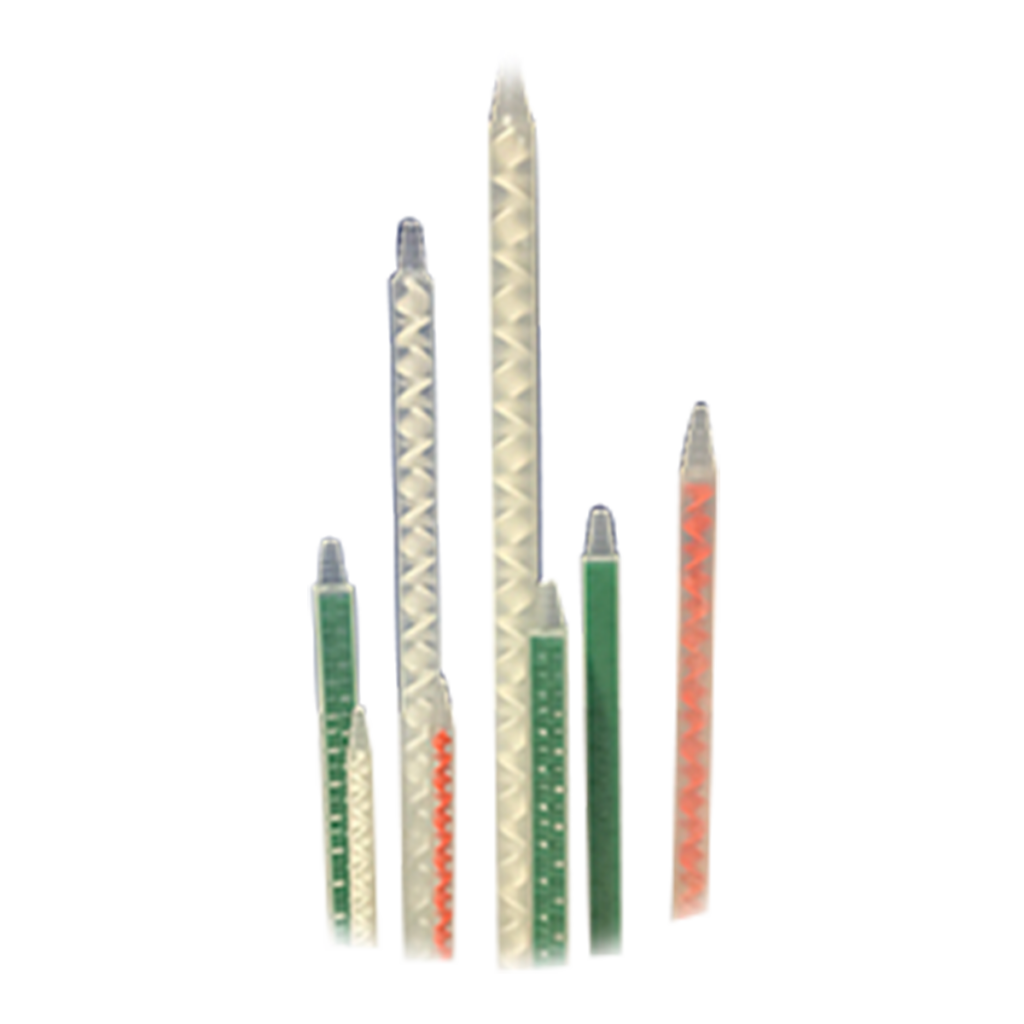
A static mixer in a two-part adhesive system is a specialized nozzle that mixes the two components (usually a resin and hardener) as they are dispensed. It contains a series of fixed, internal mixing elements designed to divide, rotate, and recombine the adhesive streams to ensure a consistent mixture—essential for proper curing and achieving the desired bond strength.
Why Static Mixers are Important?
When mixing a two-part adhesive by hand, you introduce a lot of variability into your mixing process. It is also labor-intensive. By using a static mixer, you gain consistency, reliability, and efficiency.
Static mixers ensure optimal curing and bond strength by thoroughly and uniformly mixing the adhesive. They also provide precise control over the mixing ratio and minimize air entrapment, ensuring consistent performance and quality.
How to Choose the Right Mixer
If you work with adhesives or sealants and are looking for a suitable static mixer, consider these factors to choose the best option for your needs.
#1 The Brand
Popular static mixer brands include Medmix, Nordson, Ritter, and Re Mixer. Many are interchangeable, though some use proprietary designs.
#2 Static Mixer Element Types
Helical mixing elements are the traditional choice. Square elements mix efficiently using fewer segments, reducing waste. Proprietary geometries (e.g., X-grid, Quadro, OptiMixer, Orbus) offer specialized performance.
#3 The Inlet Type
Ensure the mixer inlet matches your cartridge or dispensing system. Common types are bell housings (C-/J-system), integral nuts, bayonet (A-system), and proprietary systems (Medmix B/F/K, Ritter ACF).
#4 The Outlet Type
Outlet options—stepped tips, slip luer, luer lock, full bore, taper tip, threaded outlets, and extension tubes—determine bead size and pattern. Choose based on your application’s precision and volume needs.
#5 Static Mixer Dimensions
Length and diameter affect mixing quality and waste. Longer mixers yield better mixing but more waste; larger diameters reduce back pressure. Selecting the right dimensions optimizes performance and cost.
#6 Application Type
For meter mix or high-pressure systems, choose mixers with metal shrouds and robust connections. Low-pressure cartridge applications can use standard plastic housings.
Replacement Chart for Common Mixer Models
Selecting a compatible static mixer can make or break your workflow—review this chart to find the right substitute.
| Having Trouble finding this Mixer? | Use this Mixer instead! |
|---|---|
| CON-MFHX-08-18T | CON-MFQX-08-24T |
| CON-MFQX-08-24T | CON-MFHX-08-18T |
| TAH190-620 | CON-MAH-05-17T |
| INTTIPSXSTREAM | INTTIPSLRGXSTREAM |
| TAH160-824 | CON-MCQ-08-24T |
| TAH160-840 | TAH160-840LL |
| CON-MCQ-08-24T | TAH7361695 |
| CON-MCH-06-24T | TAH160-624 |
| TAH160-624 | CON-MCH-06-24T |
| CON-MAQ-05-24L | TAH190-620 |
| CON-MFQ-08-24T | CON-MFQX-08-24T |
| CCH74601 | TAH180AN-818 |
| CON-MGQ-08-20T | TAH180AN-818 |
| CON-MFHX-10-18T | CON-MFQX-10-24T |
| TAH160-830 | TAH160-840 |
| TAH161-236 | TAH161-230 |
| CON-MCHX-10-18T | CON-MCH-10-24T |
| CON-MCH-10-18T | CON-MCH-10-24T |
| CON-MCHX-10-24T | CON-MCH-10-24T |
| CON-ME-08-24T | CON-MCH-08-24T |
| CON-MCH-08-24T | TAH160-824 |
| TAH160-818 | CON-MCQ-08-24T |
| TAH160-632 | CON-MCH-06-32T |
| CON-MFHX-10-24T | CON-MFHX-10-18T |
| CON-MBQ-05-16L | CON-MBH-05-16T |
| CON-MBH-05-16T | CON-MBQ-05-16L |
| CON-MFQX-10-24T | CON-MFHX-10-24T |
| TAH190-620LL | TAH190-620 |
| CON-MAH-05-07T | CON-MAH-05-17T |
| CON-MAH-06-12T | TAH190-620 |
| TAH190-612 | TAH190-620 |
| CON-MCQ-07-24T | CON-MCQ-08-24T |
| CON-MAH-05-17T | TAH190-620 |
| TAH190-517-01 | CON-MAH-05-17T |
| INTTIPSLRGXSTREAM | INTTIPSXSTREAM |
| TAH160-AN824 | CON-MGQ-08-24T |
| CON-MCH-13-24T | TAH161-224 |
| CON-MBQX-05-24L | CON-MBHX-05-20T |
| CON-MFHX-08-24T | CON-MFQX-08-24T |
| CON-MFH-08-24T | CON-MFQ-08-24T |
| CON-MCQ-05-24L | CON-MCH-05-24T |
| CON-MCH-05-32T | CON-MCH-05-24T |
Conclusion: Why Choosing the Right Mixer Matters
Whether you’re in construction, manufacturing, or repair, using a reliable static mixer ensures every application is clean, consistent, and strong.
The right static mixer is an important component of success when using a two-part adhesive or sealant. They ensure your two-part adhesive achieves a complete and uniform mix, which allows for better bonding and workflow efficiency.
If you have any specific questions about your application, getting in touch with adhesive experts can help. Get in touch with the experts at Chemical Concepts.