
Truck Adhesive Solutions for Stronger, Lighter Work Trucks
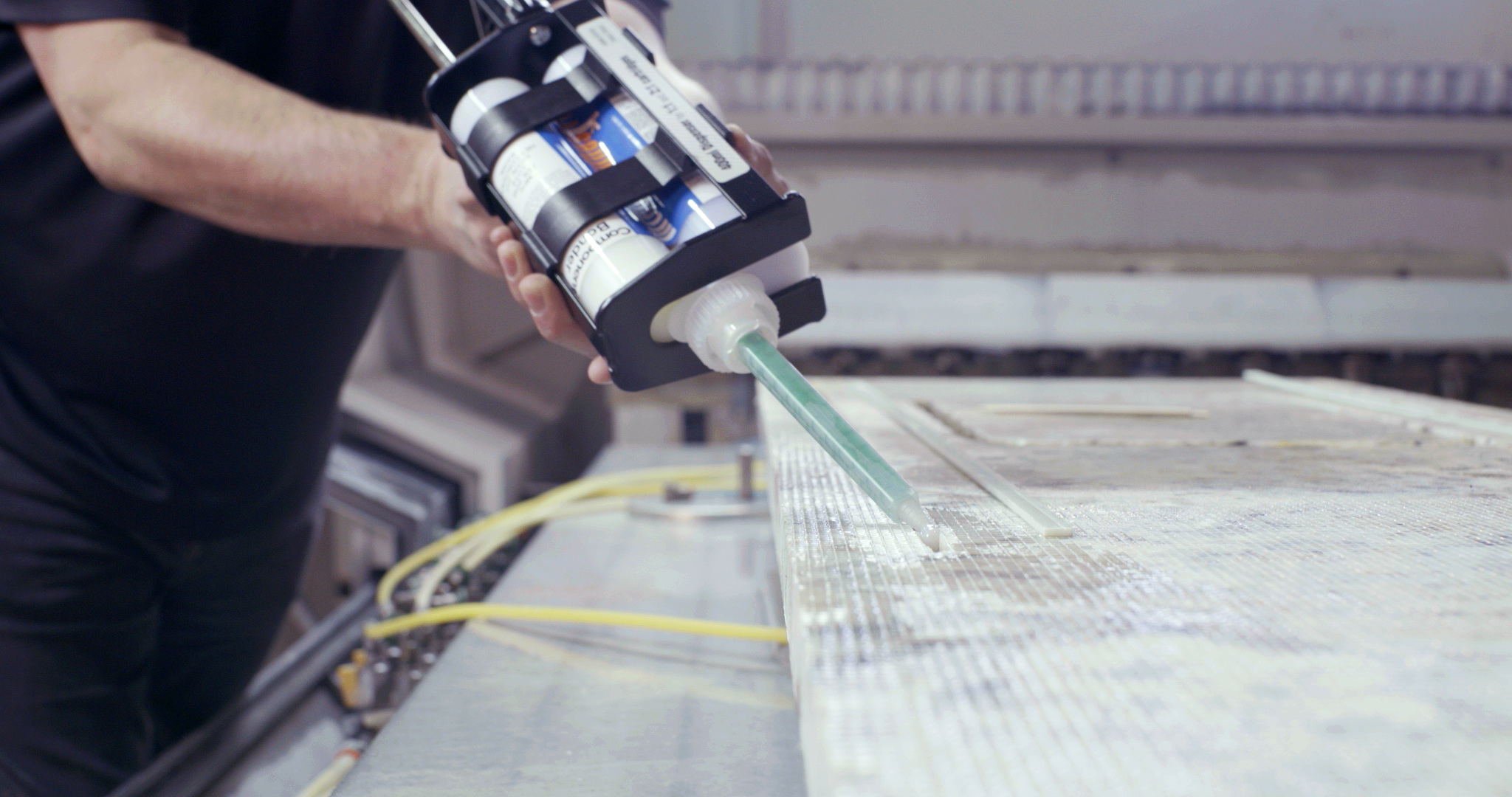
Work truck builders, including manufacturers of ambulances, fire trucks, bucket trucks, rescue vehicles, and other specialty vehicles, are under constant pressure to deliver lighter bodies, faster build times, and better long-term durability. One of the most effective ways to achieve all three goals is by switching from traditional welds and mechanical fasteners to a truck adhesive designed for structural bonding. Modern adhesives give builders a cleaner, more efficient way to assemble truck bodies and specialty vehicle structures while improving strength, corrosion resistance, and long-term reliability.
Why builders are turning to truck adhesive systems
Welding and riveting have been standard for decades across emergency vehicles, utility trucks, vocational trucks, and trailer manufacturing. But these methods introduce distortion, require significant labor, and create points of corrosion. A well-chosen truck adhesive can solve many of these problems while opening the door to lighter materials and more advanced vehicle designs. Key benefits include:
- Reduced welds and rivets for a smoother, cleaner appearance.
- Lower build costs by allowing thinner panels or mixed materials such as aluminum, steel, and composites.
- Better bonding to coated, painted, or bare metals, plastics, FRP, and composite substrates.
- Cure speeds matched to production lines for ambulances, fire trucks, and work truck fleets.
- Bondline control options, including formulas with glass beads for consistent spacing.
Where truck adhesive delivers the biggest impact
Specialty trucks and emergency vehicles face demanding conditions: vibration, moisture, impact, and temperature swings. Adhesives help manage these challenges by distributing stress across the entire joint rather than concentrating it at fasteners. Common applications include:
- Sidewall and roof bonding in ambulances, fire trucks, and rescue vehicles to reduce leak paths.
- Panel bonding and seam sealing for corrosion protection in utility trucks, service bodies, and vocational fleets.
- HVAC module bonding for bucket trucks, mobile platforms, and emergency response vehicles.
- Door frames, access panels, and compartment structures on emergency and specialty trucks requiring added stiffness.
- Bonding aluminum, steel, plastics, and composites in commercial truck and trailer manufacturing.
Understanding adhesive chemistries
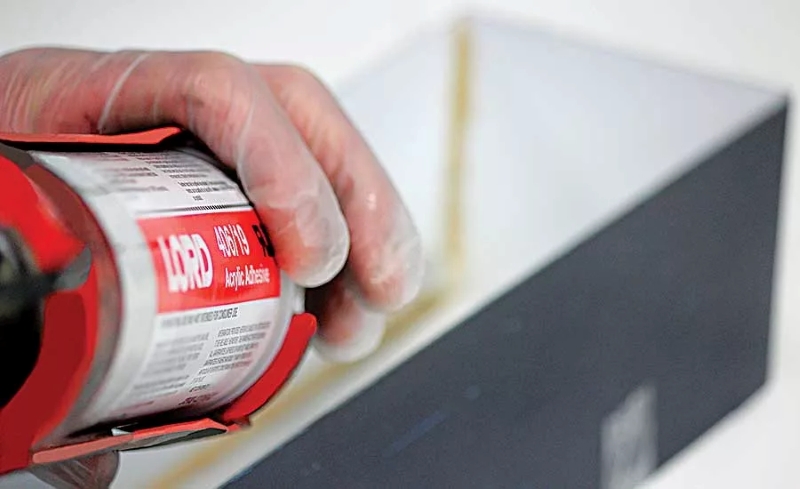
Adhesive chemistry has advanced quickly, giving OEMs in the ambulance, fire and rescue, bucket truck, and trailer markets more options to optimize build strength and efficiency. Urethanes deliver flexibility and strong environmental resistance. Acrylics provide fast handling strength ideal for production lines. Direct to metal adhesive sealants combine sealing and bonding in a single step. Selecting the right adhesive chemistry involves matching open time, cure speed, material type, and joint design to the target vehicle platform.
Support for choosing the right bonding system
Selecting the right adhesive can make a measurable difference in throughput and long-term durability across specialty trucks, emergency vehicles, utility fleets, and trailers. Chemical Concepts helps manufacturers evaluate substrates, joint geometry, cure requirements, and dispensing equipment. We also support line trials and help refine bonding processes to improve throughput and structural performance.
If you want to explore adhesive options, visit our
adhesives category
for product details or learn more about Parker LORD technologies at
parker.com/APS.
Have questions about testing or specifying a truck adhesive for work trucks, ambulances, fire trucks, bucket trucks, or trailers? Our team is here to help you find the right bonding solution for your vehicle program.