



Description
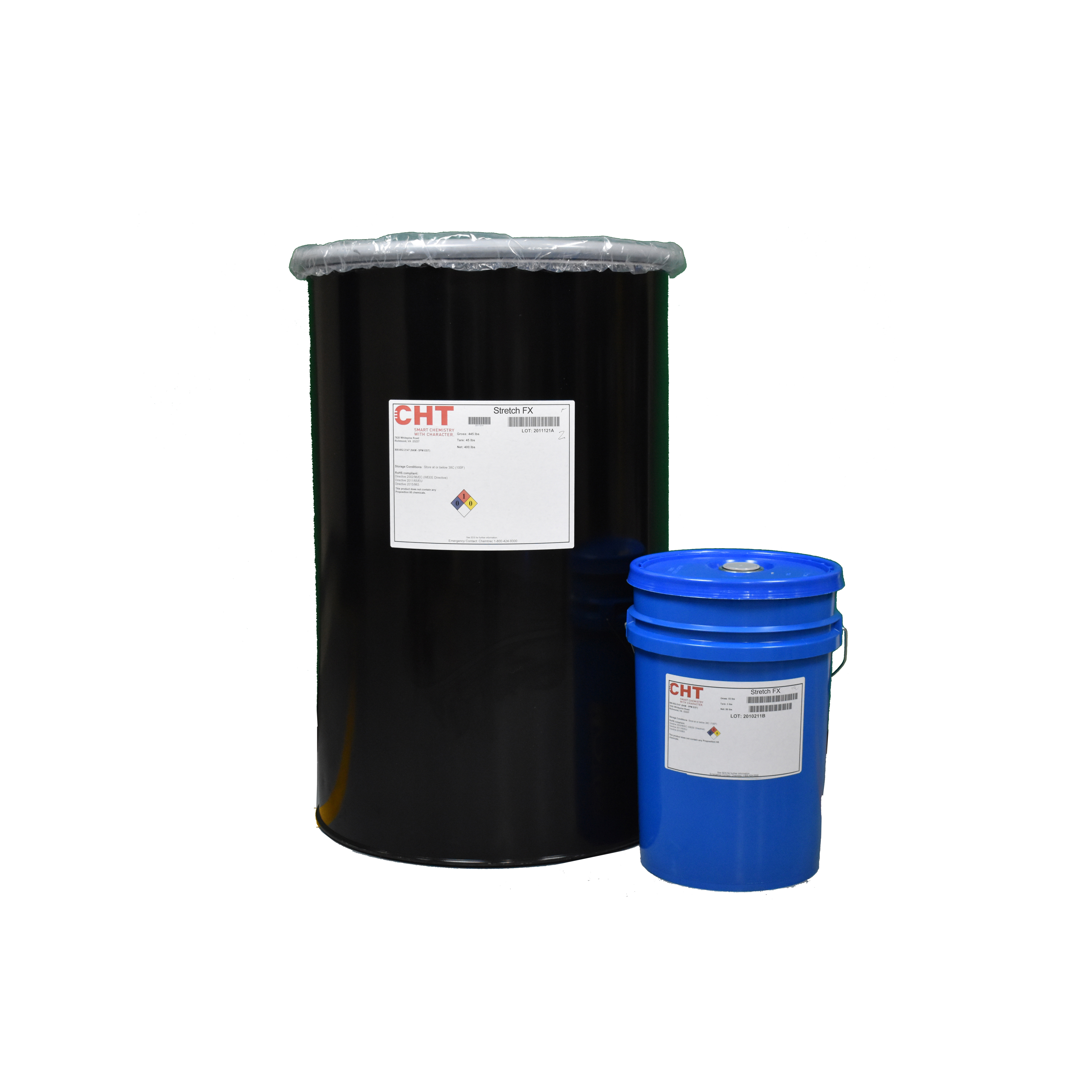
CHT Stretch FX is a soft, translucent, two-part addition-cure silicone for skin replication, prosthetic effects, and flexible moldmaking. Teams comparing an encapsulant should recognize its distinct role: Stretch FX is formulated for highly flexible castings and molds where surface detail, elongation, and pigmentability drive the selection. It mixes at 10:1 by weight and cures at room temperature, with heat available to accelerate the process.
Where This Encapsulant Alternative Fits
Stretch FX serves theater, film, prop, prosthetic, and special-effects work that needs a compliant silicone rubber. Its translucent base can be pigmented for realistic skin tones or creative effects. The cured elastomer stretches around complex geometry and releases from detailed patterns, making it useful for skin replication, flexible appliances, soft molds, and effects pieces that move during fitting or performance.
This grade is also useful when a mold or casting needs repeated flexing without the stiffness of a conventional tooling rubber. Compatibility testing remains essential. Addition-cure silicones can be inhibited by sulfur-containing materials, some clays, condensation-cure silicone residues, and contaminants carried on mixing tools. Test the complete pattern, release system, pigment, and production process together before committing a large batch.
Build the process around a clean master, controlled mold box, and a planned pour path. Seal porous patterns when needed, apply only a proven release system, and secure inserts before mixing begins. Pour in a thin stream at the lowest point so the material rises around details and helps displaced air escape. For wearable or skin-contact effects, the finished piece still needs the project team’s own biocompatibility, fit, cleaning, and use assessment.
How the Encapsulant Chemistry Mixes and Cures
Stir Parts A and B separately, then weigh them at the specified 10:1 ratio. Blend thoroughly while limiting trapped air. The mixed viscosity is listed at 10,000 cP, which supports pouring and controlled placement into detailed forms. A 30-minute work life at 25 degrees C gives the operator time to mix, de-air, pigment, and pour before viscosity rises substantially.
CHT lists a six-to-eight-hour demold or full-cure window at 23 degrees C, with heat acceleration available when the mold and inserts can tolerate it. The cured rubber has Shore A 22 hardness and elongation at break of 1,200 percent. Those performance values come from the manufacturer technical sheet and should be checked against the latest revision when they are critical to the application.
Stretch FX Specifications
| Property | Value |
|---|---|
| SKU | QUA STRETCH FX |
| Chemistry | Two-part addition-cure silicone |
| Primary uses | Skin replication, prosthetics, and special effects |
| Mix ratio by weight | 10:1 |
| Mixed color | Translucent |
| Mixed viscosity | 10,000 cP |
| Work life at 25 degrees C | 30 minutes |
| Demold or full cure at 23 degrees C | 6 to 8 hours |
| Hardness | Shore A 22 |
| Elongation at break | 1,200 percent |
Select Stretch FX when softness, detail reproduction, and repeated flexing are more important than rigid mold support. Browse related molding materials for other hardness and cure options. For manufacturer background and technical support resources, visit CHT.
Need Help?
Need help checking Stretch FX against a pattern material, pigment, or cure process? Call (800) 220-1966 or email [email protected].


Reviews
There are no reviews yet.