
Potting Compounds for LED Displays: How to Protect Your Investment from Environment Damage
Your LED displays face a constant battle against moisture, dust, heat, and vibration. Without proper protection, these expensive systems can fail long before their expected lifespan.
This guide cuts through the confusion around potting compounds—the protective materials that shield your LED displays from environmental damage. You’ll discover exactly how potting works, which type is right for your specific display, and how to implement it correctly to maximize your display’s lifespan and performance.
Why Your LED Displays Need Potting Protection
LED displays fail prematurely for preventable reasons. Rain seeps in causing shorts. Temperature swings crack connections. Vibration breaks delicate solder joints. Dust builds up and causes overheating.
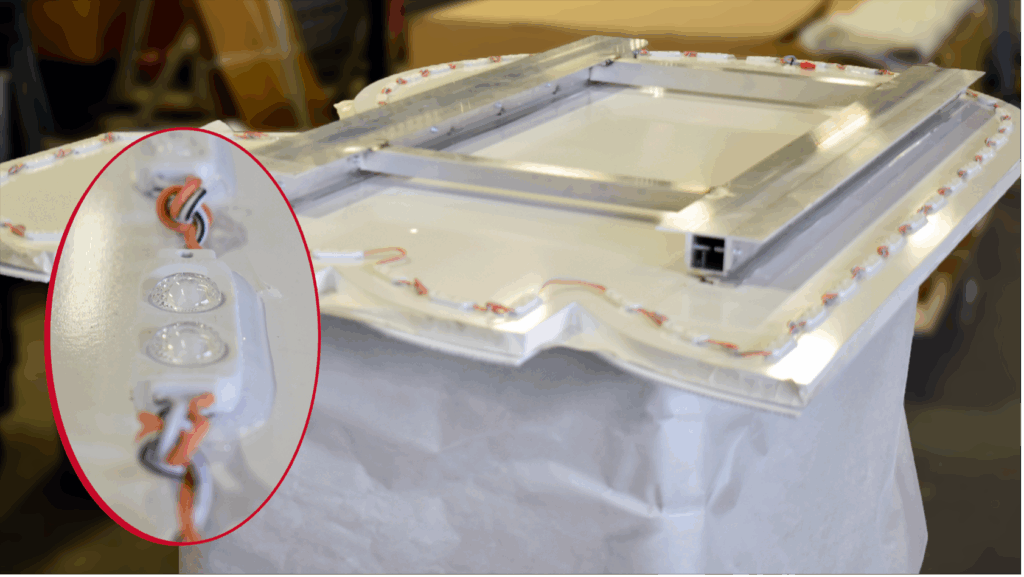
Good potting creates a shield against all these threats. It surrounds electronic components with protective material that keeps elements out while helping manage heat. Without this protection, even premium LED displays start to fail—pixels die, colors shift, and eventually, the entire unit requires expensive replacement.
The problems potting prevents include water damage that causes immediate shorts and long-term corrosion, heat buildup that degrades LED performance and lifespan, vibration damage to delicate connections, UV radiation that causes materials to break down, and physical impacts that crack circuit boards.
Investing in proper potting is much cheaper than replacing entire display systems prematurely. It’s preventative maintenance that pays for itself many times over.
What Exactly is Potting?
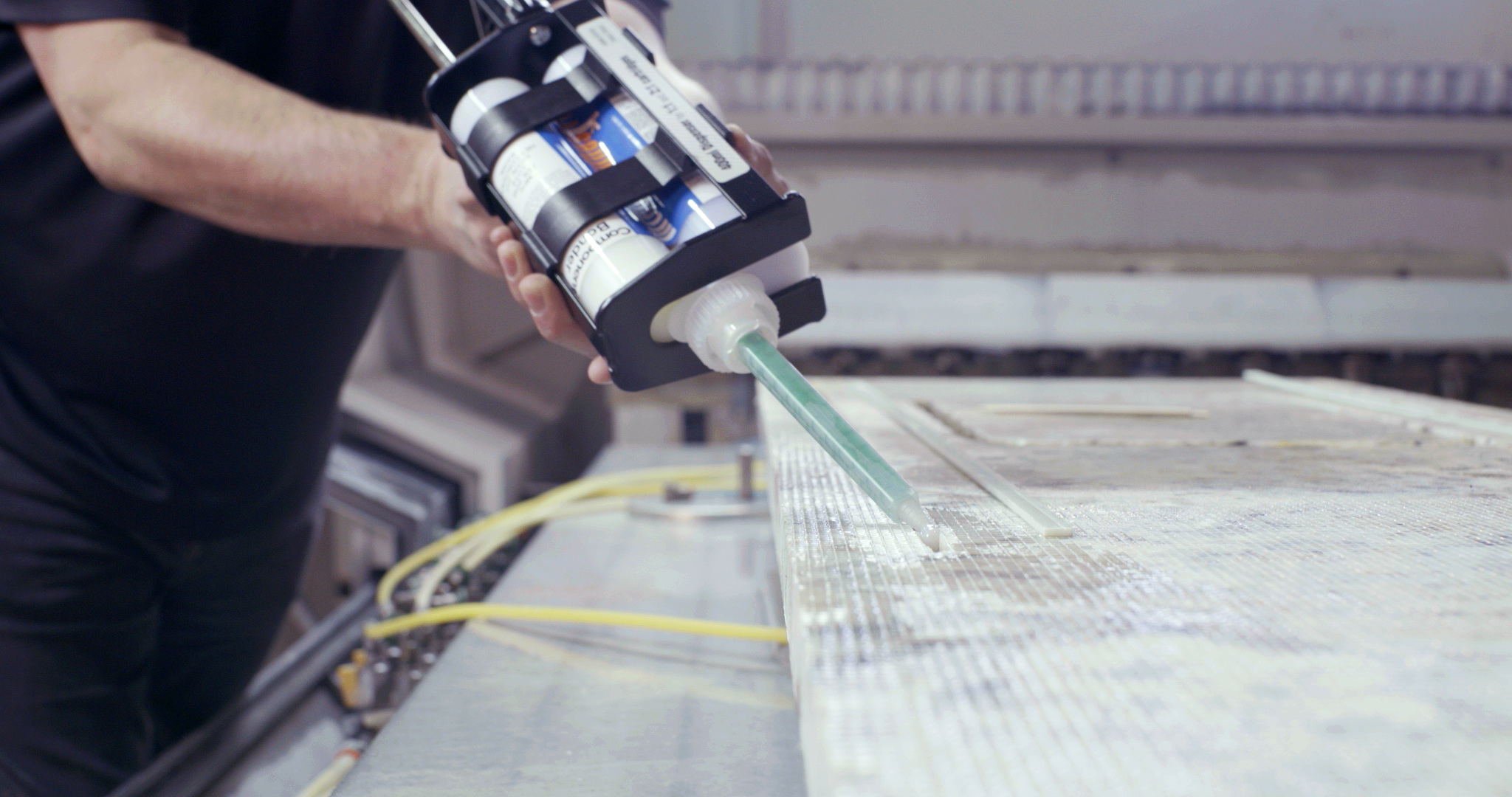
Potting is encasing electronic components in protective material. Unlike conformal coatings that just cover the surface, potting compounds fill all the spaces between components for complete protection.
How Potting Protects Your Investment
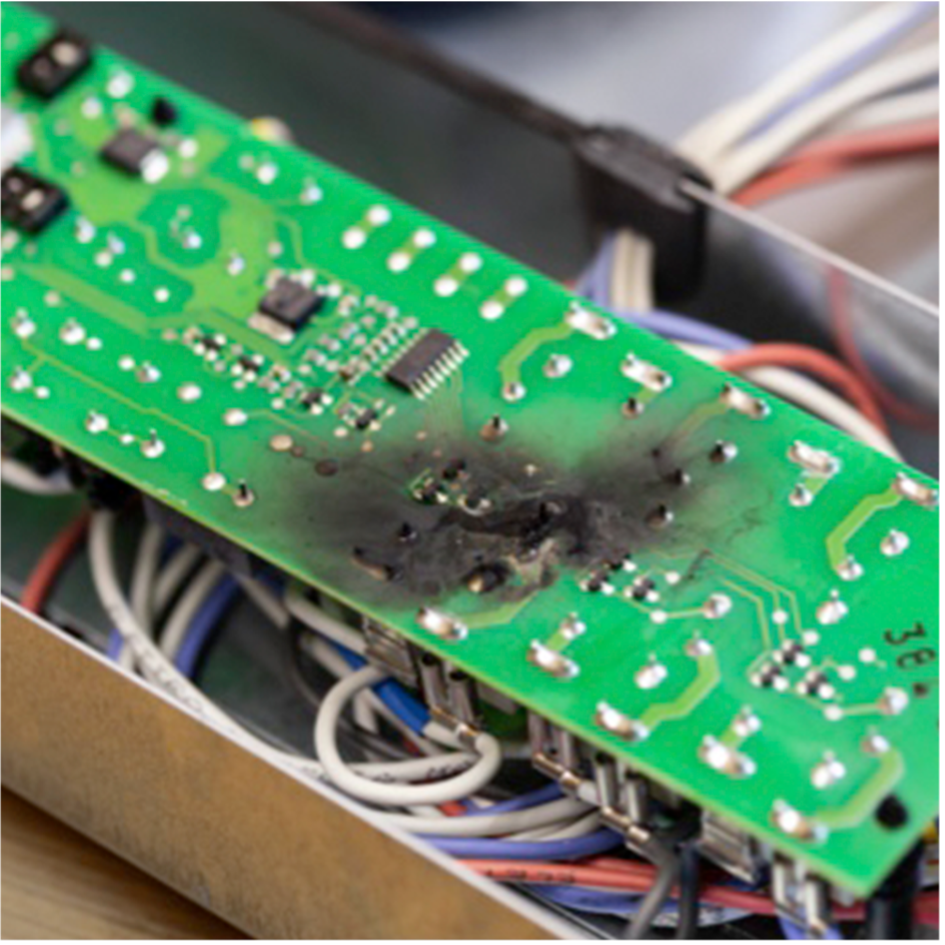
Good potting compounds provide multiple layers of protection:
They keep water and contaminants out by creating a waterproof seal that prevents moisture from reaching sensitive electronics. This barrier blocks dust, salt, and pollutants that cause corrosion and short circuits while shielding components from UV radiation that breaks down materials over time.
They prevent physical damage by absorbing vibration that would normally stress and eventually break solder joints. The compound cushions components against impacts and mechanical shock and reduces strain during thermal expansion and contraction cycles.
They manage heat effectively by drawing heat away from critical components for cooler operation. This helps spread thermal load evenly to prevent hot spots and maintains consistent LED brightness and color.
They protect electrical integrity by preventing accidental shorts between components, stopping arcing in high-voltage sections, and reducing electromagnetic interference between circuit elements.
These protections work together to dramatically extend the useful life of your LED displays, maintaining their visual quality and reliability over many years of service.
Potting Needs for Different LED Display Types
Different LED display configurations present unique protection challenges that require specialized potting approaches.
Large Format Billboards
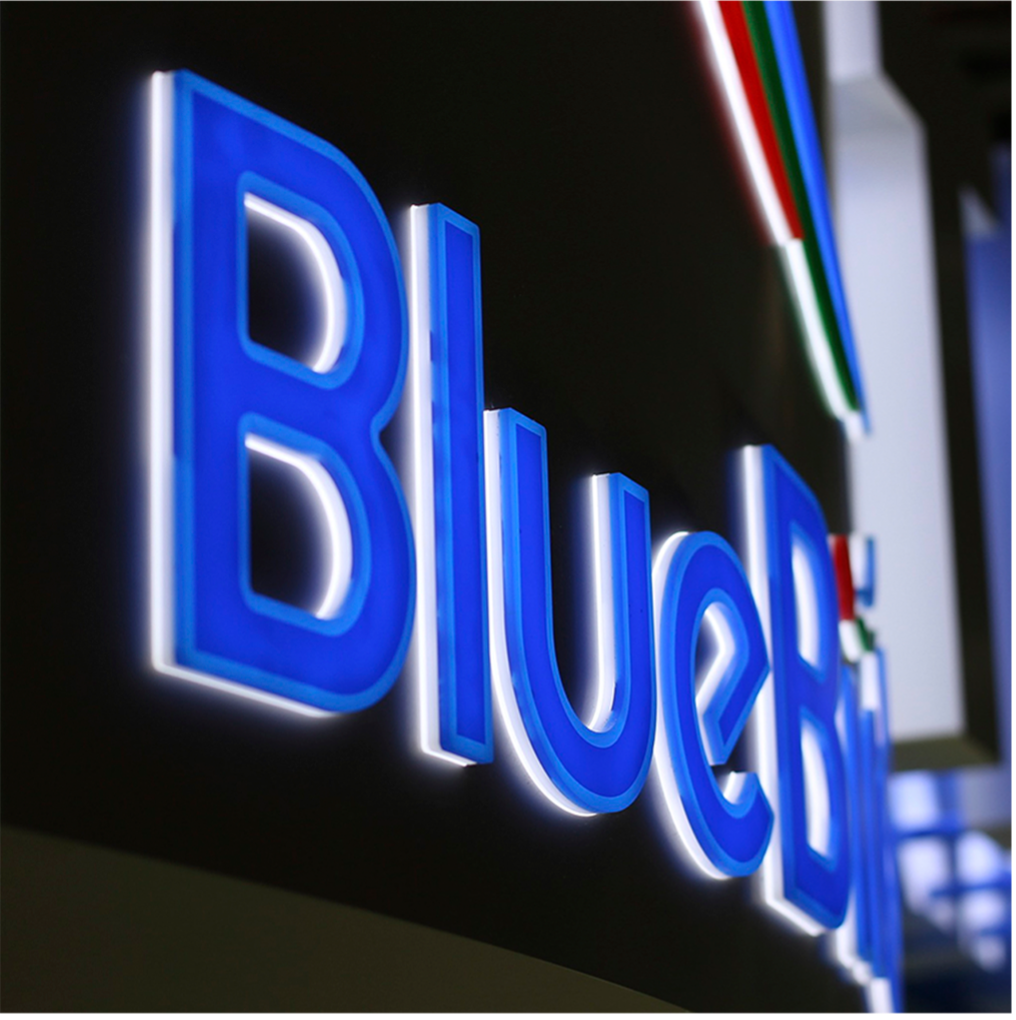
These massive displays face extreme environmental exposure with significant maintenance challenges. Their potting requirements include exceptional weather resistance for continuous outdoor exposure, thermal management for high-brightness operation, UV stability to prevent degradation from constant sun exposure, and self-extinguishing properties for fire safety compliance.
Recommended Potting Type: Two-part polyurethane systems with UV stabilizers and flame-retardant additives provide ideal protection while accommodating the large volumes required for billboard modules.
High-Resolution Video Walls
These premium displays generate significant heat while requiring perfect visual performance. Potting must provide superior thermal conductivity to manage dense LED heat generation, optical clarity to maintain brightness and color accuracy, precise application compatibility with densely packed components, and long-term stability without yellowing or optical degradation.
Recommended Potting Type: Optically clear silicone encapsulants with enhanced thermal conductivity deliver the ideal balance of heat management and visual performance for these premium displays.
Transportation and Traffic Signage
These critical information systems face vibration, temperature extremes, and must maintain readability in all conditions. Their potting needs include extreme temperature range tolerance (-40°C to +85°C), superior vibration-damping capabilities, impact resistance for roadside applications, and chemical resistance against road salt and environmental pollutants.
Recommended Potting Type: Specialized polyurethane formulations with enhanced flexibility and temperature stability provide optimal protection for transportation display applications.
Selecting the Optimal Potting Compound
Choosing the right potting material requires balancing multiple performance factors against application requirements and processing constraints.
READ MORE: How to Choose the Right Adhesive for Your Application: A Step-by-Step Guide
Critical Selection Factors
Viscosity and Flow Characteristics: Low-viscosity compounds penetrate small spaces between components but may leak through small openings. High-viscosity materials stay in place but may trap air bubbles. Thixotropic formulations offer controlled flow under pressure while remaining in place during curing.
Cure Time and Process: Room-temperature curing simplifies production but extends manufacturing time. Heat-accelerated systems speed production but require ovens and may stress temperature-sensitive components. UV-cured systems offer nearly instantaneous processing but require light access to all areas.
Thermal Conductivity: Standard compounds provide basic insulation but may trap heat. Thermally conductive formulations incorporate ceramic fillers that transfer heat away from components, significantly extending LED lifespan through cooler operation.
Environmental Resistance: Basic indoor formulations offer limited environmental protection. Premium outdoor compounds incorporate UV stabilizers, antioxidants, and specialized moisture barriers that maintain protection despite years of extreme exposure.
The test results demonstrate that Master-Plate® exhibits exceptional strength across all three configurations. The Dimple Spacers version consistently showed superior performance in pull-out force and shear force tests, while the Round Spacers version excelled in torque resistance.
Primary Potting Chemistry Options
Silicone-Based Compounds offer an exceptional temperature range (-65°C to +200°C), superior flexibility and vibration dampening, excellent moisture and chemical resistance, and are available in optically clear formulations. They come at a premium cost with specialized handling requirements.
Polyurethane Compounds provide a good temperature range (-40°C to +125°C), excellent adhesion to most substrates, strong impact and abrasion resistance, and are cost-effective for large applications. They have limited repairability once cured.
Epoxy-Based Systems deliver superior hardness and durability, excellent chemical resistance, and high dielectric strength for electrical isolation. However, they have limited flexibility (potential thermal stress issues) and are challenging to remove for repairs.
Application Best Practices for Perfect Potting
Following these procedures ensures optimal potting results and maximum protection for your LED display investment.
Surface Preparation
Proper preparation creates the foundation for lasting protection. Remove all contaminants, including fingerprints, flux residue, and moisture. Use appropriate cleaning solvents compatible with all assembly materials. Ensure complete drying before compound application. Consider adhesion promoters for challenging substrates.
Mixing and Application Techniques
Follow manufacturer mixing ratios precisely (weight-based, not volume) and mix thoroughly while minimizing air entrapment. Consider vacuum degassing for bubble-free results. Apply at recommended temperatures for optimal flow characteristics and use progressive filling techniques to minimize air entrapment.
Curing Optimization
Proper curing ensures full performance development. Follow temperature and time recommendations precisely and allow complete cure before environmental exposure. Use humidity control when required by specific formulations. Consider gradual temperature ramping to prevent thermal stress and verify complete cure through hardness testing before shipment.
Performance Validation and Quality Assurance
Validating potting effectiveness prevents field failures through systematic testing:
Visual Inspection
Check for complete coverage without voids or bubbles, verify proper adhesion at all material interfaces, and confirm uniform color and consistency throughout the potting.
Environmental Testing
Conduct thermal cycling between application temperature extremes, water immersion testing for moisture barrier verification, UV exposure testing for outdoor applications, and vibration and impact testing for mobile applications.
Functional Verification
Use thermal imaging during operation to verify heat dissipation, validate brightness and color consistency, and monitor power consumption before and after potting.
Conclusion
Selecting and applying the right potting compound is essential for maximizing LED display performance and longevity. The optimal solution balances environmental protection, thermal management, and application practicality while meeting your specific operating requirements.
While this guide provides a structured approach to potting selection, many applications benefit from specialized expertise to address unique challenges and optimize protection strategies.
Ready to implement potting protection for your LED display project? Contact the Chemical Concepts team for personalized recommendations and application assistance tailored to your specific environmental challenges and performance requirements.