


Description
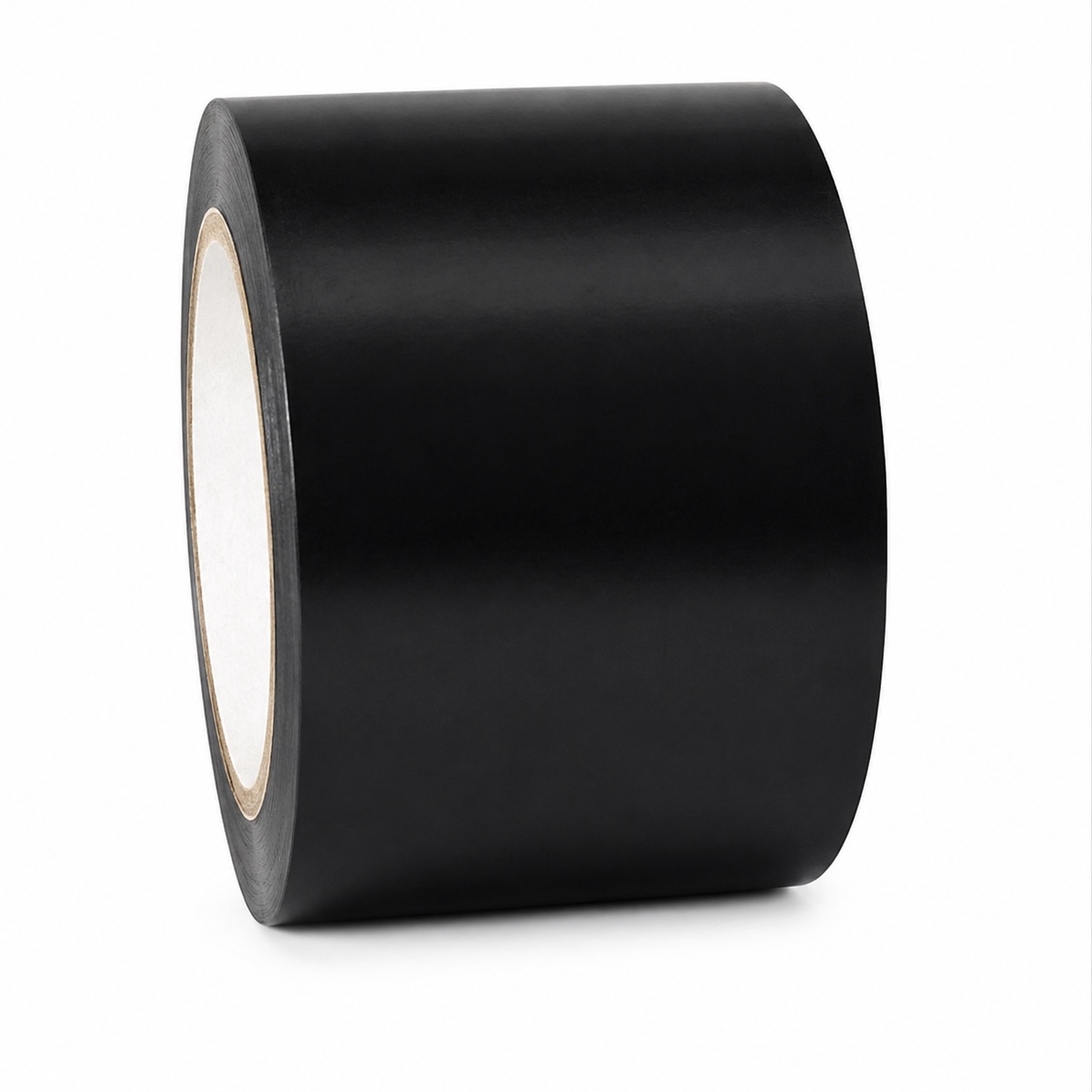
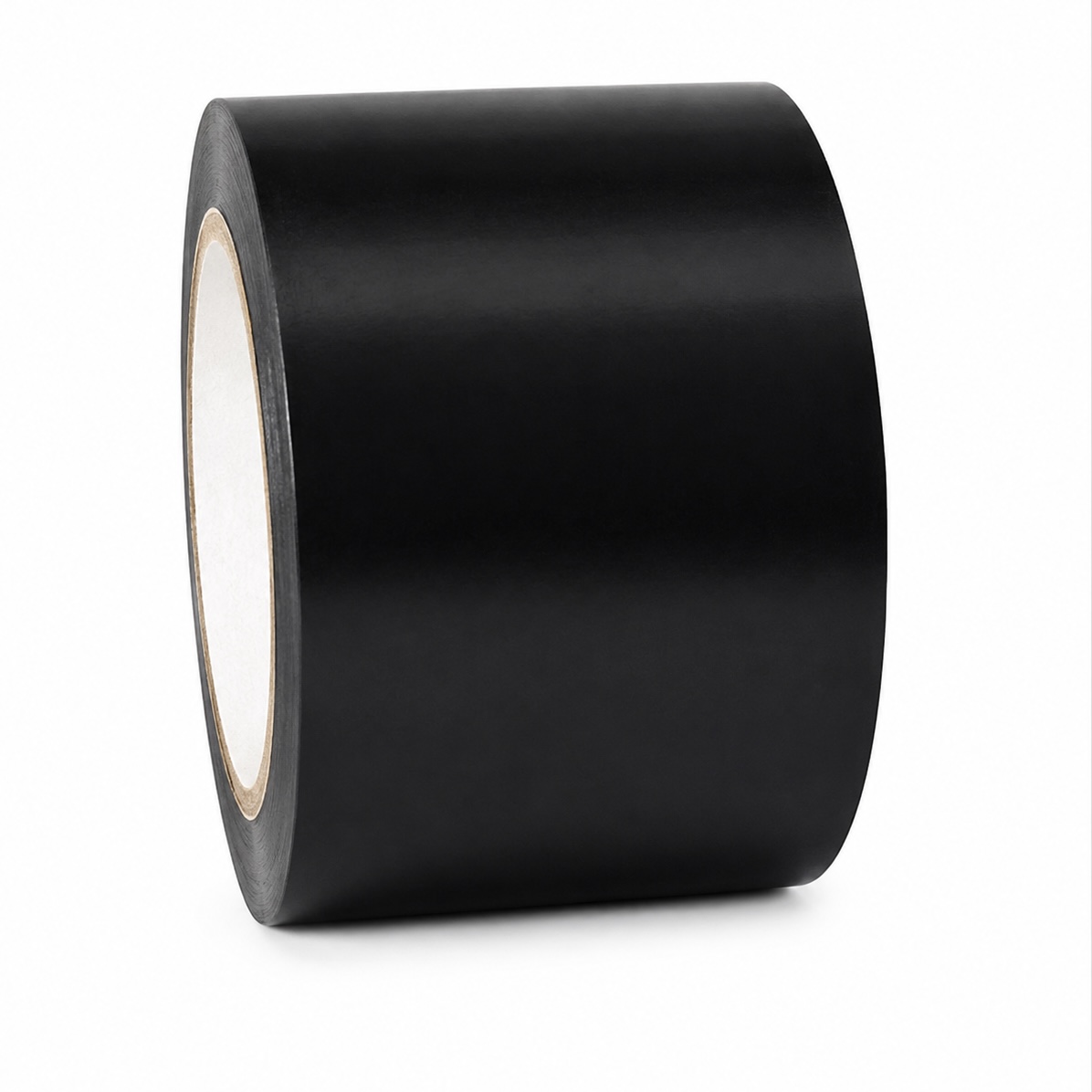
GS1013 rivet tape is the 2.00 in adhesive width in the 20 mil GS family, and it replaces rivets and screws on the work where a narrow strip runs out of bond area. Larger sign faces. Aluminum composite panels. Cladding onto substructure. Twenty mils of solvent free, high strength rubber pressure sensitive adhesive bonds on contact under hand pressure, with no cure time, no mixing, and no holes drilled through the face.
Adhesive width is the only thing that separates this from the 1.00 in version. Same adhesive, same 20 mil coat weight, same 200 ft roll, twice the contact area per linear foot. On a square foot basis the wider roll usually wins, because one roll delivers double the bond area for the same length of handling.
The dry edge is the family handling feature. The 2.00 in adhesive lane sits on a 3.00 in liner, which leaves a full half inch of ungummed liner on each side of the adhesive. On a long panel run that margin is what makes the tape manageable by hand. The roll does not stick to itself, the adhesive stays off gloves, and both hands can steer the liner while the strip is laid down straight.
The adhesive works in both directions. Left in place it holds like a mechanical fastener. Peeled correctly it releases clean on many substrates, which is why it gets used for temporary signage, event installs, and panel work where the substrate has to survive removal.
|
Removing it without residue Peel slowly from a corner at a low angle, pulling back across the tape rather than straight away from the surface. Pulling fast or at 90 degrees is what leaves adhesive behind. At 2.00 in wide there is twice the adhesive in contact, so take the angle lower and the pace slower than you would on a narrow strip. Clean release depends on the substrate and on how long the tape has been in place. Not recommended for wallpaper or freshly painted walls. Test the actual surface before a production run. |
Where GS1013 Rivet Tape Replaces Fasteners
The 2.00 in width earns its place when the part is heavier, the panel is larger, or the load needs to spread across more bond line than a narrow strip provides. Continuous contact across a wide bond spreads stress instead of concentrating it at individual fastener points, which is the structural argument for tape over rivets on a panel. Mactac builds the GS series for the markets below.
- Sign and display: sign faces to frames, plaques, nameplates, ADA signage, channel letters, A-frame panels
- Building and construction: panel and cladding attachment, trim, architectural panels, office partitions
- Industrial and fabrication: gasket and seal placement, temporary clamping, staging during assembly
- Transportation and recreational vehicles: interior wall and ceiling panels, trim, insulation, weather stripping
- Appliance and white goods: badge and trim attachment, sound dampening pads, panel bonding
- Point of purchase: retail fixtures, temporary displays, craft and POP assembly
Set against the fasteners it stands in for:
| Rivets and screws | Rubber transfer adhesive | |
|---|---|---|
| Holes in the face | Every rivet or screw is a penetration that has to be sealed, filled, or hidden | None. The face stays continuous and the graphic or finish is uninterrupted |
| Load path | Stress concentrates at each fastener point, which is where panels crack and pull through | Stress spreads across the full bond line, so a wide strip carries more than the sum of a few points |
| Assembly sequence | Drill, align, fasten, then seal. Parts need clamping or a second set of hands to stay in place | Press and hold. The adhesive grabs on contact and acts as a third hand while the rest of the build continues |
| Vibration and moisture | Metal on metal transmits vibration, and fastener holes are the path water finds | The rubber layer dampens vibration and the continuous bond line resists moisture along the joint |
| Reversibility | Removal leaves holes behind in both parts | Peeled at a low angle it releases clean on many substrates, leaving the substrate intact |
How GS1013 Rivet Tape Holds Up in Service
Typical performance values for the GS Ultra High Tack adhesive:
- Quick tack of 20 or more pounds per square inch, so parts hold the moment they are pressed together
- Peel adhesion of 22 or more pounds per inch of width once the bond has wet out
- Shear resistance of 300 or more hours to fail, which is what lets it stand in for a fastener under sustained load
- Service range of 0 F to 180 F, with application down to 50 F
- Vibration dampening and moisture resistance across the full bond line, rather than point loading at fastener holes
- Acts as a third hand, holding parts in alignment while fasteners go in or a structural adhesive cures
- Doubles as a gap filler between panel and substructure where the fit is not perfectly flat
Surfaces have to be clean, dry, and free of oil, grease, silicone, and release agents, because contamination is the usual cause of a failed bond. The adhesive is rubber based, so it is not rated for chemical, solvent, or plasticizer exposure, and prolonged direct sunlight will age it on long term exterior work. Application temperature of 50 F and above matters most at the moment of assembly. Once bonded, the joint runs across the full 0 F to 180 F range.
|
Bonding to aluminum composite panels The aluminum skin on an ACM panel is a medium to high surface energy substrate that the GS adhesive wets out well, and the 20 mil coat weight handles routed and textured finishes. Clean off manufacturing residue and any protective film adhesive first. Surface contamination, not adhesive strength, is what usually fails an ACM bond. |
Technical Specifications
| Property | Value |
|---|---|
| Adhesive | GS Ultra High Tack rubber, solvent free, unsupported transfer adhesive |
| Adhesive Thickness | 20 mil |
| Adhesive Width | 2.00 in |
| Liner Width | 3.00 in, ungummed dry edge on both sides |
| Roll Length | 200 ft |
| Core | 3 in, self wound |
| Quick Tack | 20+ lbs per square inch |
| Peel Adhesion | 22+ lbs per inch |
| Shear | 300+ hours to fail |
| Application Temperature | 50 F and above |
| Service Temperature | 0 F to 180 F |
| Rolls Per Carton | 4 |
| SKU | MTC-GS1013W200L200 |
Compatible Substrates
- Low surface energy plastics: HDPE, LDPE, polypropylene, polyethylene
- UHMW and corrugated plastics
- Aluminum, steel, and powder coated metal
- Wood, MDF, OSB, and plywood
- Concrete, masonry, brick, and cement board
- Glass and fiberglass
- Corrugated board and paperboard
- Composites and aluminum composite material panels
How Much Does One Roll Cover?
A 200 ft roll carries 2,400 linear inches of 2.00 in wide adhesive, which is about 33.3 square feet of bond area, double what the same length gives at 1.00 in. How far that goes depends on how much tape each part needs.
| Application | Tape Per Part | Parts Per Roll |
|---|---|---|
| 24 x 36 in sign, perimeter strips | About 120 in | About 20 |
| 4 x 8 ft panel, perimeter plus center run | About 384 in | About 6 |
| A-frame sign panel, two vertical runs | About 48 in | About 50 |
| Continuous run, trim or weather stripping | Continuous | 200 ft per roll |
These are planning estimates worked back from roll dimensions, not performance ratings. The bond area a part actually needs depends on its weight, its orientation, the substrate, and the service conditions it will see.
GS Series Coat Weights and Widths
The GS family is coated from 5.0 mil to 50 mil, in adhesive widths from 0.50 in to 11.5 in. Thinner coat weights suit point of purchase and craft assembly. Thicker coat weights suit panel assembly, vibration dampening, and moisture resistance, and they pull further ahead as the surface gets rougher. Two lane configurations put a strip of adhesive along each edge of a wider liner.
| Part | Adhesive Thickness | Adhesive Width | Liner Width | Roll Length |
|---|---|---|---|---|
| GS2003 | 5 mil | 0.75 in | 1.2 in | 900 ft |
| GS2004 | 5 mil | 1.00 in | 1.5 in | 900 ft |
| GS2123200 | 10 mil | 2.00 in | 3.0 in | 200 ft |
| GS2145-SC | 10 mil | 4.00 in | 5.0 in | 1,350 ft |
| GS1023 | 15 mil | 1.00 in | 1.5 in | 200 ft |
| GS2208 | 15 mil | 4.00 in | 6.0 in | 400 ft |
| GS1003 | 20 mil | 0.50 in | 1.0 in | 200 ft |
| GS1001 | 20 mil | 1.00 in | 1.5 in | 200 ft |
| GS2313 | 20 mil | 1.00 in | 1.2 in | 200 ft |
| GS1013 | 20 mil | 2.00 in | 3.0 in | 200 ft |
| GS1004 | 35 mil | 0.50 in, two lanes | 2.0 in | 200 ft |
| GS1019 | 35 mil | 0.75 in | 1.5 in | 200 ft |
| GS2603RR | 35 mil | 0.75 in, two lanes | 3.0 in | 200 ft |
| GS1007 | 35 mil | 1.00 in | 1.5 in | 200 ft |
| GS2906 | 50 mil | 2.00 in | 2.4 in | 150 ft |
Custom widths and coat weights are made to order and converted from master rolls, so an adhesive width that matches the panel is usually available even when it is not a catalog size. Compare the full rivet tape range, and see Mactac for regulatory documentation and technical data across the industrial tape line.
GS1013 Questions
Why is the liner wider than the adhesive?
The adhesive lane is narrower than the liner on purpose. The liner runs past the adhesive on both sides, and that ungummed strip is the dry edge. It gives a gloved hand or a fingernail something clean to grab, keeps the roll from bonding to itself as it unwinds, and keeps adhesive off fingers while a strip is being placed. Chasing a flush liner edge on a 20 mil rubber adhesive is slow work, which is why the family is coated in lanes.
Is GS1013 the same thing as a transfer tape?
Yes. It is an unsupported transfer adhesive, which means there is no film or foam carrier in the middle. The full 20 mil is adhesive sitting on a release liner. That is why it conforms to an irregular surface better than a double coated film or foam tape, where part of the thickness is carrier doing no bonding work.
Should I use the 2.00 in width or the 1.00 in width?
Same adhesive, same 20 mil coat weight, same 200 ft length. Width is the only variable. Take the 2.00 in when the part is heavier, the panel is larger, or the load needs to spread across more bond line. The 1.00 in suits smaller signs, plaques, and trim and yields more parts per roll. Measured per square foot of bond area the 2.00 in is normally the better value, since one roll delivers twice the coverage for the same handling.
Can it really take the place of rivets?
In many applications, yes. That is where the name comes from. The adhesive holds 300 or more hours under shear load and peels at 22 or more pounds per inch, and it spreads that load across the whole bond line instead of a handful of points. Sign faces to frames, panels to substructure, and trim runs are the common swaps. Weight, orientation, and service conditions decide how much bond area a given part needs, so size the bond rather than matching a fastener count.
Will GS1013 hold outdoors?
It handles temporary and seasonal exterior work, and the rubber adhesive resists humidity and moisture well. Service range runs 0 F to 180 F. For a mount that has to survive years of direct sun, limit prolonged ultraviolet exposure, because sunlight ages rubber adhesives over time. An acrylic chemistry is the better answer for long term full sun exposure.
Does it need a primer on plastic?
Usually not. The heavy 20 mil coat weight and the high tack rubber chemistry are what let it grip HDPE, polypropylene, and polyethylene without the primer an acrylic foam tape often needs. Surface preparation still matters more than primer. Clean off mold release, oil, and silicone, and press the bond down firmly enough to wet out the full contact area.
Standards and Documentation
Mactac manufacturing sites hold ISO 9001 certification, and Mactac publishes regulatory compliance documentation and technical data sheets for the industrial tape line. Mactac is a member of the Gasket Fabricators Association and the Pressure Sensitive Tape Council. Determining whether a tape suits a specific end use stays with the buyer, so qualify the adhesive on the actual substrate and under the actual service conditions before a production release.
Need Help?
Need help choosing an adhesive width for a panel or ACM job? Call (800) 220-1966 or email [email protected].


Reviews
There are no reviews yet.