
Double-Sided Foam Tape
Double sided foam tape bonds two surfaces using adhesive on both faces of a compressible foam carrier. The foam is what separates it from a flat double coated tape. It conforms to irregular surfaces, fills small gaps between parts that do not sit flush, and spreads load across the bond line instead of concentrating it at the high spots. When parts sit flush and the gap is tight, a double coated film tape on a thin PET carrier is the better choice. Chemical Concepts stocks double coated foam tape on polyethylene foam carriers from 1/32 inch to 1/16 inch, in rubber and acrylic adhesive systems, for sign mounting, ADA signage, display fabrication and general assembly.
Foam tape or VHB, and how to tell which one you need
VHB and other acrylic foam tapes are structural. They are built to carry load in place of mechanical fasteners and they build to full strength over hours or days. A double sided foam tape with a rubber adhesive is non structural. It grabs immediately, holds well, and costs less, which makes it the right call for the large share of mounting work that never needed structural strength to begin with.
A working rule. If the joint carries weight or sees dynamic load, start with high bond acrylic foam tapes. If you are mounting a sign to drywall, attaching a nameplate, bonding an acoustic panel or holding parts during assembly, a rubber foam mounting tape does the job for less money. Our guide on whether VHB tape is really different works through the distinction in detail.
Choosing foam thickness
Thickness follows surface flatness. Two flat, rigid surfaces bond well on 1/32 inch PE foam tape. The rougher or more irregular the substrate, the thicker the foam has to be so it can compress into the low spots and keep adhesive in contact across the full area. 1/16 inch is the usual step up for textured walls, powder coated metal with orange peel, and parts carrying mold lines or weld seams.
Rubber and acrylic adhesive systems
Rubber adhesives build tack fast and hold on low surface energy plastics such as polyethylene and polypropylene, where acrylics struggle. The Mactac Ultra 555 rubber adhesive on the IM1763 bonds to low and zero VOC painted drywall, a common failure point for tapes on newer commercial interiors. The Macmount XT rubber adhesive on the IM1900XT is the general purpose, lower cost option, rated 0°F to 180°F in service with 500 plus hours to shear failure and a +50°F minimum application temperature.
Cross-referencing 3M 4032
Shops moving off 3M 4032 usually land on the Mactac IM1763 or the IM1900XT. Both are 1/32 inch white PE foam with a permanent rubber adhesive on both faces. Construction, liner weight and coat weight differ between manufacturers, so confirm against the current data sheets before you substitute into a qualified joint. We will send a sample roll of either one for testing.
Foam mounting tape for signs, fixtures and displays
Mounting is the bulk of what moves out of this category. A foam mounting tape replaces screws and anchors on painted drywall, glass, laminate and powder coated metal without drilling or patching afterward. The foam carrier takes up the difference when a sign back or bracket is not perfectly flat, so adhesive stays in contact across the whole footprint instead of releasing at the corners the way a flat double coated tape can. Clean the surface with isopropyl alcohol, apply above 50°F, and press the part with firm even pressure so the adhesive wets out. Most foam mounting tape failures trace back to a dirty or cold surface rather than the tape itself. For permanent interior mounting over low VOC paint, the IM1763 is the safer pick. For everyday fixture and display work, the IM1900XT covers it.
Common applications
- ADA and interior signage mounted to painted drywall
- Nameplates, plaques and cut letters
- Point of purchase and trade show displays
- Acoustic panel and decorative paneling attachment
- Soap, sanitizer and air freshener dispenser mounting
- Mirror mounting and gap filling during assembly
- Noise and vibration damping between dissimilar parts
Related categories
For a bond line with no carrier and no visible edge, see adhesive transfer tapes. For structural mounting, see high bond and acrylic foam tapes. Full line detail is on the Mactac brand page.
Need help choosing?
Tell us what you are sticking to, the environment it lives in, and the temperature range it has to survive. Call (800) 220-1966 or email [email protected] and we will match a foam tape to the joint, or send a sample roll so you can test it first.
Double sided foam tape bonds two surfaces using adhesive on both faces of a compressible foam carrier. The foam is what separates it from a flat double coated tape. It conforms to irregular surfaces, fills small gaps between parts that do not sit flush, and spreads load across the bond line instead of concentrating it at the high spots. When parts sit flush and the gap is tight, a double coated film tape on a thin PET carrier is the better choice. Chemical Concepts stocks double coated foam tape on polyethylene foam carriers from 1/32 inch to 1/16 inch, in rubber and acrylic adhesive systems, for sign mounting, ADA signage, display fabrication and general assembly.
Foam tape or VHB, and how to tell which one you need
VHB and other acrylic foam tapes are structural. They are built to carry load in place of mechanical fasteners and they build to full strength over hours or days. A double sided foam tape with a rubber adhesive is non structural. It grabs immediately, holds well, and costs less, which makes it the right call for the large share of mounting work that never needed structural strength to begin with.
A working rule. If the joint carries weight or sees dynamic load, start with high bond acrylic foam tapes. If you are mounting a sign to drywall, attaching a nameplate, bonding an acoustic panel or holding parts during assembly, a rubber foam mounting tape does the job for less money. Our guide on whether VHB tape is really different works through the distinction in detail.
Choosing foam thickness
Thickness follows surface flatness. Two flat, rigid surfaces bond well on 1/32 inch PE foam tape. The rougher or more irregular the substrate, the thicker the foam has to be so it can compress into the low spots and keep adhesive in contact across the full area. 1/16 inch is the usual step up for textured walls, powder coated metal with orange peel, and parts carrying mold lines or weld seams.
Rubber and acrylic adhesive systems
Rubber adhesives build tack fast and hold on low surface energy plastics such as polyethylene and polypropylene, where acrylics struggle. The Mactac Ultra 555 rubber adhesive on the IM1763 bonds to low and zero VOC painted drywall, a common failure point for tapes on newer commercial interiors. The Macmount XT rubber adhesive on the IM1900XT is the general purpose, lower cost option, rated 0°F to 180°F in service with 500 plus hours to shear failure and a +50°F minimum application temperature.
Cross-referencing 3M 4032
Shops moving off 3M 4032 usually land on the Mactac IM1763 or the IM1900XT. Both are 1/32 inch white PE foam with a permanent rubber adhesive on both faces. Construction, liner weight and coat weight differ between manufacturers, so confirm against the current data sheets before you substitute into a qualified joint. We will send a sample roll of either one for testing.
Foam mounting tape for signs, fixtures and displays
Mounting is the bulk of what moves out of this category. A foam mounting tape replaces screws and anchors on painted drywall, glass, laminate and powder coated metal without drilling or patching afterward. The foam carrier takes up the difference when a sign back or bracket is not perfectly flat, so adhesive stays in contact across the whole footprint instead of releasing at the corners the way a flat double coated tape can. Clean the surface with isopropyl alcohol, apply above 50°F, and press the part with firm even pressure so the adhesive wets out. Most foam mounting tape failures trace back to a dirty or cold surface rather than the tape itself. For permanent interior mounting over low VOC paint, the IM1763 is the safer pick. For everyday fixture and display work, the IM1900XT covers it.
Common applications
- ADA and interior signage mounted to painted drywall
- Nameplates, plaques and cut letters
- Point of purchase and trade show displays
- Acoustic panel and decorative paneling attachment
- Soap, sanitizer and air freshener dispenser mounting
- Mirror mounting and gap filling during assembly
- Noise and vibration damping between dissimilar parts
Related categories
For a bond line with no carrier and no visible edge, see adhesive transfer tapes. For structural mounting, see high bond and acrylic foam tapes. Full line detail is on the Mactac brand page.
Need help choosing?
Tell us what you are sticking to, the environment it lives in, and the temperature range it has to survive. Call (800) 220-1966 or email [email protected] and we will match a foam tape to the joint, or send a sample roll so you can test it first.
Showing all 10 results
-
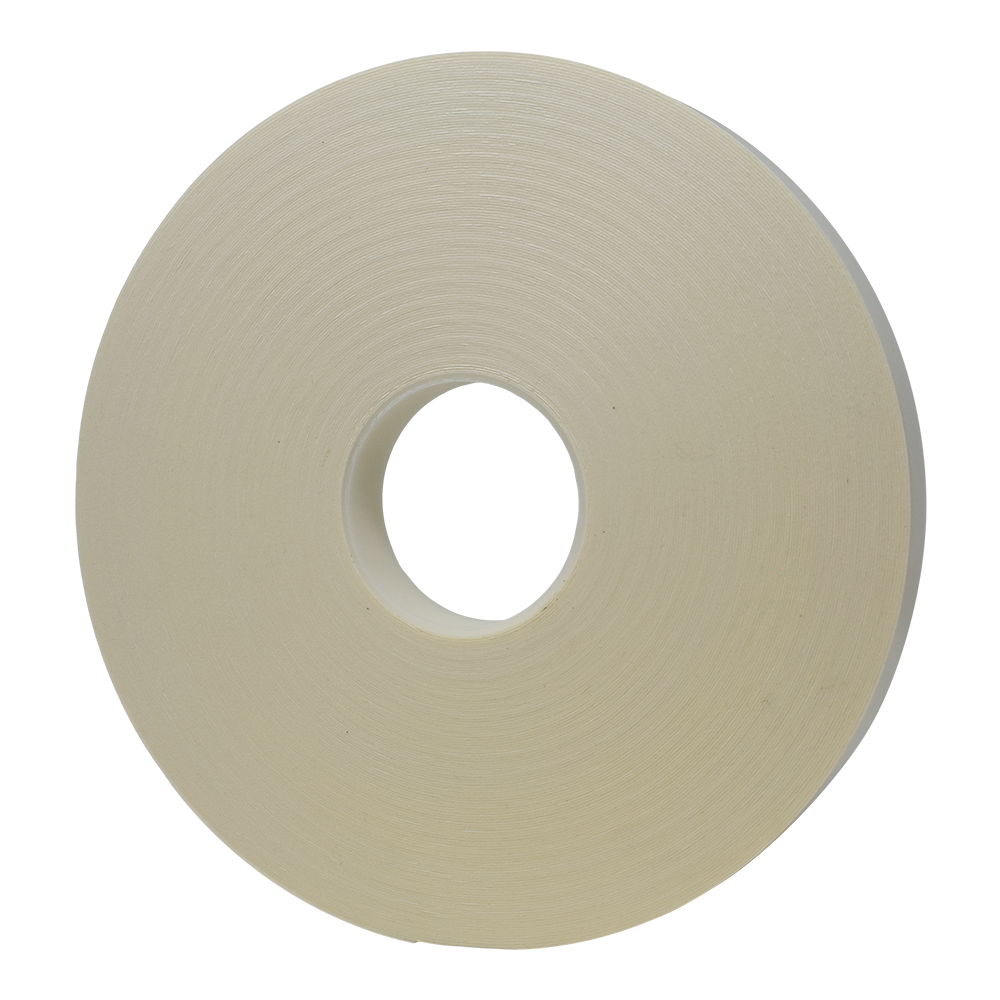
Mactac IM1763 Double Coated PE Foam Tape, 1/32 in, 1 in x 216 ft (Macmount 555, Macbond Ultra 555)
SKU MTC-IM1763-78-W100L216 Our Price Starting at $32.58
You save View ProductMactac IM1763 Double Coated PE Foam Tape, 1/32 in, 1 in x 216 ft (Macmount 555, Macbond Ultra 555)
Our Price Starting at $32.58
You save -

Mactac IM1863 Double Coated PE Foam Tape, 1/16 in, 1 in x 108 ft (Macmount 555, Macbond Ultra 555)
SKU MTC-IM1863W100L108 Our Price Starting at $10.75
You save View ProductMactac IM1863 Double Coated PE Foam Tape, 1/16 in, 1 in x 108 ft (Macmount 555, Macbond Ultra 555)
Our Price Starting at $10.75
You save -
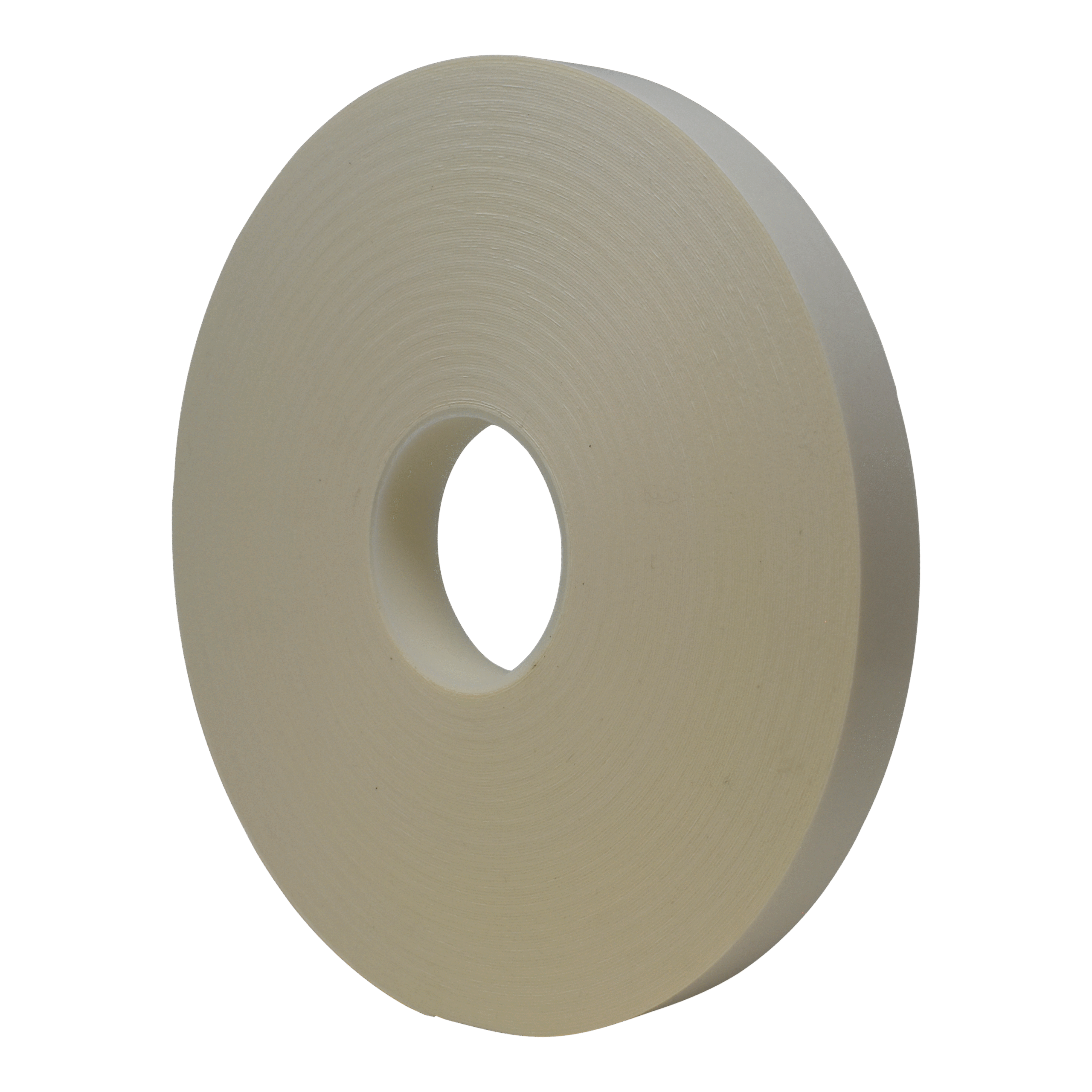
Mactac IM1900XT Double Coated Foam Tape, 1 in x 216 ft (Macmount XT)
SKU MTC-IM1900XTW100L216 Our Price Starting at $19.95
You save View ProductMactac IM1900XT Double Coated Foam Tape, 1 in x 216 ft (Macmount XT)
Our Price Starting at $19.95
You save -

Mactac IM1900XT Double Coated Foam Tape, 3/4 in x 216 ft (Macmount XT)
SKU MTC-IM1900XTW075L216 Our Price Starting at $17.10
You save View ProductMactac IM1900XT Double Coated Foam Tape, 3/4 in x 216 ft (Macmount XT)
Our Price Starting at $17.10
You save -
Decker 416 Double Coated PE Foam Tape 1/16 Inch – 2in x 36yd
SKU AW416-2X36 Our Price Starting at $36.29
You save View ProductDecker 416 Double Coated PE Foam Tape 1/16 Inch – 2in x 36yd
1/16 inch double coated PE foam tape with strong rubber adhesive. Ideal for mounting, insulation bonding, and general fabrication.
Our Price Starting at $36.29
You save -
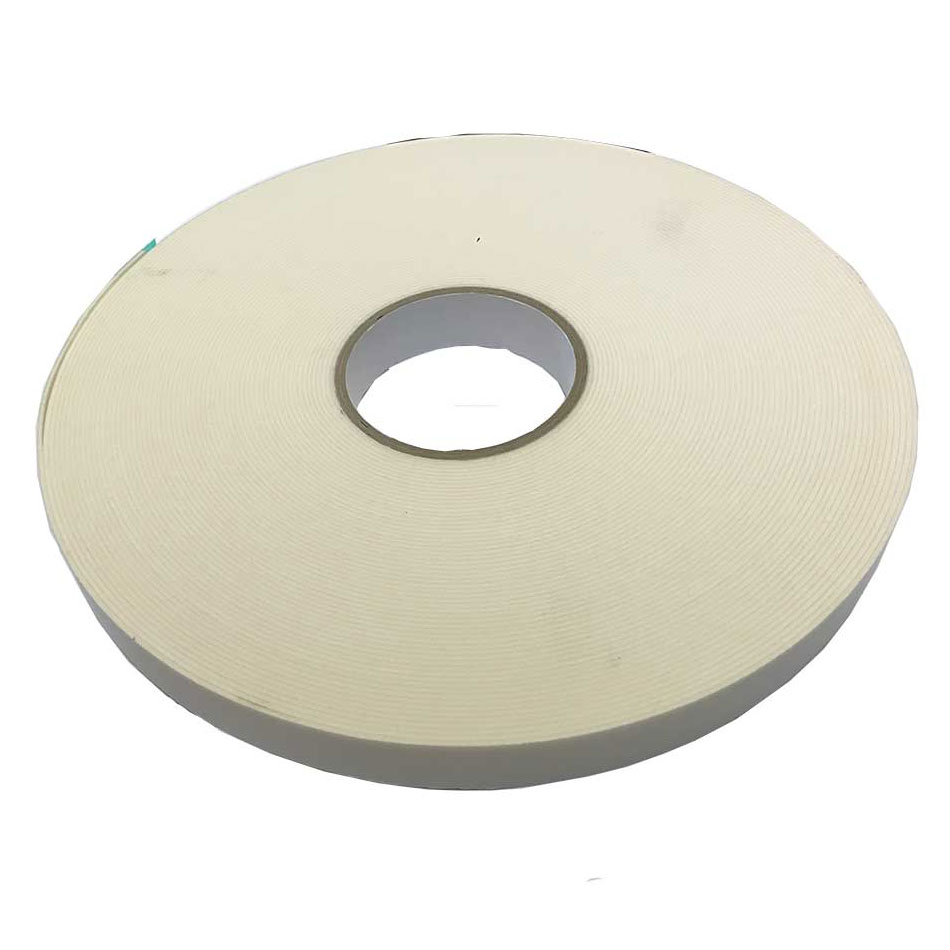
Chem-Set DC-PEF06R Double Coated PE Foam Tape 1/16 Inch
SKU CCT-DC-PEF06R Our Price Starting at $10.26 View ProductChem-Set DC-PEF06R Double Coated PE Foam Tape 1/16 Inch
1/16 inch double coated PE foam tape with high tack rubber adhesive for mounting, bonding, and textured surfaces.
Our Price Starting at $10.26 -
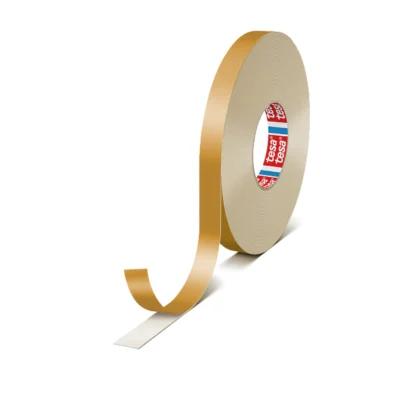
tesa 64962 Double Sided PE Foam Tape – 1/16 Inch (63 mil)
SKU TES-64962 Call for pricing and availability
You save View Producttesa 64962 Double Sided PE Foam Tape – 1/16 Inch (63 mil)
Double sided 1/16 inch PE foam tape with synthetic rubber adhesive for trims, profiles, signage, and LSE surfaces.
Call for pricing and availability
You save

Featured Products
-
UltraLok® 9102 A/B Panel Bonding Epoxy
Ultralok 9102 epoxy adhesive is engineered for strong, reliable honeycomb and composite panel bonding with fire safety and thermal resistance.
Our Price Starting at $90.16 -
CarbonBar Versatile Flat Stock
Cut and drill like wood. Support like steel. Replace heavy, expensive custom metal fabrication with aerospace-grade carbon fiber structural blanks.
- 4X stronger & 5X lighter than steel.
- Customize on-site with standard carbide tools.
- 100% weatherproof and corrosion-proof.
↑ Select your Bar Length and Profile above ↑
Our Price Starting at $25.00 -

Chem-Set VST M1V38 Male High Bond Tape Fastener – M1-V38-1/4-20×1″
SKU CCH-M1V38-1/4-20X1P Our Price Starting at $1.80
You save View ProductChem-Set VST M1V38 Male High Bond Tape Fastener – M1-V38-1/4-20×1″
Our Price Starting at $1.80
You save


-
 Expert Support.
 -
 Same-Day Shipping.
 -
 50+ Years of Service
Chemical-Concepts is a leading supplier of adhesives, chemicals and hardware for nearly every market in the industrial, government and defense sectors. Whatever your industry, we have all the hardware and adhesives you need to hold things together and keep things in place.